Best Menopause Supplements for Symptom Relief and Wellness
Effective menopause supplements can ease symptoms and support overall wellness during this natural transition in a womans life.

Paid links: Some links in this article go to iHerb through an affiliate program: if you buy something after clicking one, StarterScience earns a commission and you pay the same price. That commission never changes how we describe the evidence, including when the evidence is weak. This article is general information, not medical advice — talk to a qualified healthcare professional before starting any supplement.
The best menopause supplements are those chosen for a specific need, supported by credible evidence, and used alongside—not instead of—appropriate medical care. Soy isoflavones may modestly reduce hot flashes for some people, while calcium and vitamin D can help close nutritional gaps important to postmenopausal bone health. Magnesium may be useful when dietary intake is inadequate, and certain standardized black cohosh extracts have shown possible benefits, although findings remain inconsistent. No supplement reliably “balances” reproductive hormones or treats every menopause symptom, so the safest and most effective strategy is targeted, individualized, and reviewed with a healthcare professional.
What Menopause Supplements Can and Cannot Do | Best Menopause Supplements: An Evidence-Based Ranking | Choosing Supplements by Menopause Symptom | Bone, Heart, and Metabolic Health After Menopause | How to Compare Menopause Relief Supplements Safely | A Practical Plan for Selecting Supplements for Menopause | Frequently Asked Questions
What Menopause Supplements Can and Cannot Do
Menopause is reached after 12 consecutive months without a menstrual period, but symptoms often begin years earlier during perimenopause. Fluctuating and eventually declining estrogen levels can contribute to hot flashes, night sweats, disrupted sleep, vaginal dryness, mood changes, and changes in bone metabolism. Experiences vary considerably: one person may have occasional warmth, while another may have frequent vasomotor symptoms that interfere with work and sleep.
Supplements for menopause generally fall into two categories. The first includes products intended to address a symptom, such as soy isoflavones or black cohosh for hot flashes. The second includes nutrients that support long-term health, such as calcium and vitamin D for bone maintenance. These are different goals. A nutrient can be valuable for correcting an insufficiency without having any meaningful effect on hot flashes, and an herbal extract marketed for hot flashes may provide no nutritional benefit.
The phrase “hormonal balance supplements” deserves particular caution. Menopause is not a vitamin deficiency, and no nonprescription capsule can restore the complex hormonal signaling of the ovaries, brain, adrenal glands, bones, and other tissues. Some plant compounds interact weakly with estrogen receptors, but that is not equivalent to normalizing estrogen levels. Claims that a blend will “reset,” “detox,” or permanently balance hormones are not supported by established clinical evidence.
Clinical guidelines reflect this uncertainty. The Menopause Society’s 2023 nonhormone therapy position statement does not recommend dietary supplements as proven treatments for hot flashes and night sweats because results are inconsistent and product formulations vary. That does not mean every supplement is useless. It means expectations should be modest, the product should match the goal, and persistent or severe symptoms deserve discussion of better-established treatments.
Best Menopause Supplements: An Evidence-Based Ranking
There is no universal winner among menopause relief supplements. The most sensible choice depends on the symptom being targeted, nutritional status, medical history, medications, and personal preferences. The following options have been studied most often or serve a well-established nutritional role during midlife.
1. Soy Isoflavones for Possible Hot-Flash Relief
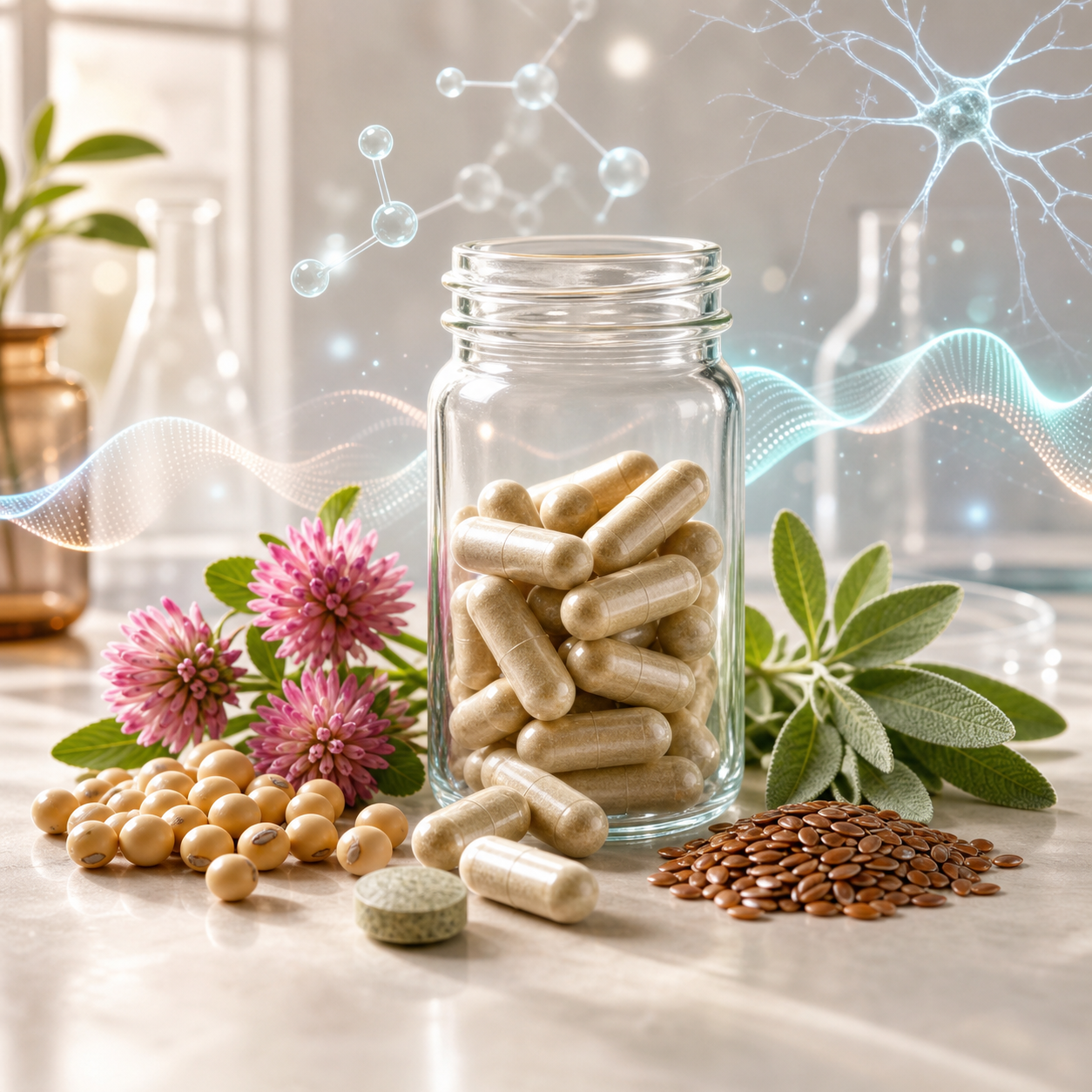
Soy isoflavones—including genistein and daidzein—are phytoestrogens, plant compounds with a structure that resembles estrogen. They interact with estrogen receptors much more weakly than the body’s estrogen does. Research suggests that soy foods, soy protein, or standardized isoflavone supplements may modestly reduce the frequency or severity of hot flashes in some people, but results are not uniform.
A systematic review indexed in PubMed concluded that isoflavones may reduce hot flashes even after accounting for placebo effects. However, the National Center for Complementary and Integrative Health notes that the effect is generally small and evidence has not been completely consistent. Benefits, when they occur, may take several weeks rather than appearing after one or two doses.
Whole soy foods—such as tofu, tempeh, edamame, and unsweetened soy milk—are a practical first choice because they also supply protein and other nutrients. Concentrated isoflavone supplements require more caution. People with a history of estrogen-sensitive cancer, unexplained uterine bleeding, or ongoing endocrine therapy should consult their oncology or menopause-care team before using them.
2. Calcium for Filling Bone-Health Gaps
Estrogen decline accelerates bone remodeling and can contribute to rapid bone loss around and after menopause. Calcium is therefore important, but more is not automatically better. The goal is to meet the recommended intake from food and supplements combined, not to add a large supplement regardless of diet.
In the United States, the recommended dietary allowance for women aged 51 and older is 1,200 milligrams of calcium per day from all sources. Dairy foods, calcium-set tofu, canned fish with edible bones, and fortified plant beverages can supply substantial amounts. If food intake falls short, a smaller supplement can cover the difference. Calcium is absorbed most efficiently in divided amounts of 500 milligrams or less at one time.
Calcium carbonate is economical and is best taken with food; calcium citrate can be taken without food and may suit people who use acid-suppressing medicine. Excess supplemental calcium can cause constipation and may increase kidney-stone risk in susceptible people. The National Institutes of Health calcium fact sheet emphasizes that supplementation may limit bone-density loss in some settings, but fracture-prevention results are not consistently positive.
3. Vitamin D When Intake or Blood Levels Are Low
Vitamin D helps the intestine absorb calcium and supports normal muscle and bone function. Low levels are more likely with limited sun exposure, darker skin pigmentation, malabsorption disorders, obesity, older age, or diets containing little fortified food or oily fish. Supplementation is most clearly useful when it corrects inadequate intake or a documented deficiency.
The recommended dietary allowance is 600 international units, or 15 micrograms, daily for adults through age 70 and 800 international units, or 20 micrograms, after age 70. Individual treatment for deficiency may differ and should be guided by a clinician. Large “megadoses” are not a better menopause treatment and can lead to excessive blood calcium, kidney problems, or medication interactions.
4. Magnesium for Nutritional Support, Not a Proven Hot-Flash Cure
Magnesium participates in muscle function, nerve signaling, glucose regulation, and bone biology. It is sometimes promoted for sleep, anxiety, cramps, and hot flashes, yet trials have not established magnesium as a reliable treatment for core menopause symptoms. Its strongest rationale is correcting low intake or deficiency.
Food sources include pumpkin seeds, almonds, beans, whole grains, and leafy green vegetables. Magnesium glycinate is often marketed as gentle on the digestive tract, while magnesium citrate is more likely to loosen stools. Supplemental magnesium can interfere with the absorption of certain antibiotics and osteoporosis medicines. People with impaired kidney function should not supplement without medical supervision because they may have difficulty clearing excess magnesium.
5. Black Cohosh as a Cautious, Time-Limited Trial
Black cohosh is one of the most familiar herbal supplements for menopause. A 2023 research review summarized by NCCIH found that products containing black cohosh were potentially helpful for overall symptoms and hot flashes, but other reviews have found little high-quality, consistent evidence. Different extracts are not interchangeable, making broad conclusions difficult.
If a clinician agrees that a trial is reasonable, choose a standardized, independently tested single-ingredient product and reassess after roughly eight to twelve weeks. Stop and seek medical advice for dark urine, yellowing of the skin or eyes, unusual fatigue, abdominal pain, or other possible signs of liver injury. Black cohosh is generally avoided in people with liver disease, and its safety in hormone-sensitive conditions remains uncertain.

Choosing Supplements by Menopause Symptom
Hot Flashes and Night Sweats
Soy isoflavones and black cohosh are among the most studied supplements for vasomotor symptoms, but neither works consistently enough to be considered a dependable first-line therapy. Red clover, flaxseed, evening primrose oil, dong quai, and mixed botanical formulas also lack convincing, reproducible evidence. Even when a study reports improvement, a substantial placebo response and differences among extracts can make the real-world effect difficult to predict.
Keep a two-week symptom diary before starting anything, recording the frequency and severity of hot flashes, nighttime awakenings, alcohol use, stress, and relevant medications. If you try one supplement, keep the rest of the routine reasonably stable and reassess after a defined period. This avoids mistaking natural symptom fluctuations for a treatment effect.
Frequent or disruptive symptoms warrant a medical conversation. Menopausal hormone therapy is the most effective treatment for vasomotor symptoms for appropriate candidates. Evidence-based nonhormonal prescription options are also available for people who cannot or prefer not to use hormones.
Sleep Problems
Night sweats are only one reason sleep may deteriorate at midlife. Sleep apnea, restless legs syndrome, anxiety, depression, pain, thyroid disease, alcohol, and medication effects can all contribute. Magnesium may be useful when intake is low, but evidence that it treats menopause-related insomnia is limited. Melatonin can help certain circadian sleep problems, yet it is not a direct treatment for hormonal changes and may cause morning drowsiness or interact with medicines.
Before adding a sedating blend, address sleep timing, caffeine, alcohol, bedroom temperature, and possible sleep-disorder symptoms. Cognitive behavioral therapy for insomnia has substantially stronger evidence than most sleep supplements and can produce lasting benefits.
Mood, Stress, and “Brain Fog”
No dietary supplement has been proven to restore cognition or reliably treat depression caused or worsened during the menopause transition. Omega-3 supplements are sometimes marketed for mood and cardiovascular support, but study results for menopausal mood symptoms are mixed. B vitamins are important when a deficiency exists; taking extra does not necessarily improve concentration in someone whose intake is already adequate.
Persistent sadness, loss of interest, severe anxiety, panic, or cognitive changes affecting daily life should be evaluated rather than assigned automatically to menopause. Mood disorders, thyroid conditions, anemia, sleep disruption, and medication effects are treatable causes that a supplement regimen may miss.
Vaginal Dryness and Urinary Symptoms
Oral menopause supplements have not been shown to reliably treat the genitourinary syndrome of menopause, which may include dryness, burning, painful sex, urinary urgency, and recurrent urinary infections. Nonhormonal vaginal moisturizers and lubricants can help some symptoms, while low-dose vaginal estrogen and other prescription therapies may be appropriate after individual assessment.
Bleeding after menopause should never be treated with supplements or assumed to be normal. It requires prompt medical evaluation, even if it occurs only once.
Joint Discomfort and General Wellness
Vitamin D may improve muscle or bone-related problems when deficiency is present, but it is not a general pain reliever. Curcumin, collagen, and glucosamine are often included in menopause wellness formulas, although they have not been established as menopause-specific treatments. Regular resistance training, adequate protein, restorative sleep, and evaluation of persistent pain generally provide a stronger foundation than complex supplement stacks.
Bone, Heart, and Metabolic Health After Menopause
The most important wellness changes after menopause are not always the most immediately noticeable. Lower estrogen is associated with accelerated bone loss, while age, blood pressure, cholesterol, body composition, smoking, activity, and family history influence cardiovascular and metabolic risk. Supplements can fill specific gaps, but they cannot replace screening or health-promoting habits.
For bones, prioritize adequate calcium, vitamin D, protein, resistance exercise, and weight-bearing movement. Ask about bone-density testing based on age and risk factors such as early menopause, prolonged steroid use, low body weight, previous fragility fracture, or family history of osteoporosis. A supplement cannot reverse osteoporosis on its own, and people at high fracture risk may need prescription treatment.
For cardiovascular health, emphasize vegetables, fruit, legumes, whole grains, nuts, fish or other healthful proteins, and mostly unsaturated fats. Soy foods can fit naturally into this pattern. Omega-3 supplements may be prescribed for particular triglyceride problems, but they are not routine hormonal balance supplements. Blood pressure, cholesterol, glucose, sleep, smoking status, and physical activity deserve more attention than “heart-health” claims printed on a proprietary blend.
Protein powders can be useful when appetite, dietary preferences, dental problems, or a busy schedule make adequate protein difficult. They are convenience foods rather than menopause treatments. Choose products with limited added sugar and independent contaminant testing, especially if used frequently.
How to Compare Menopause Relief Supplements Safely
Supplement quality varies because a label can list an herb without guaranteeing that every product contains the same extract, dose, or active compounds used in clinical research. Favor products that disclose the amount of each ingredient and avoid proprietary blends that hide individual doses. A long ingredient list may increase the chance of side effects without increasing effectiveness.
Look for verification from an established independent testing organization, such as USP, NSF, or ConsumerLab. Such testing can provide reassurance about identity and contaminants, but it does not prove that the product relieves symptoms. “Natural,” “clinically formulated,” and “doctor recommended” are marketing terms unless supported by specific, transparent evidence.
Introduce only one new product at a time. Record the brand, extract, dose, start date, intended outcome, benefits, and adverse effects. Use a predetermined review point and discontinue products that offer no meaningful benefit. This simple approach is safer and more informative than starting a multi-supplement bundle.
Bring the complete product label—not merely the product name—to a pharmacist or clinician. Soy isoflavones and other phytoestrogens require extra consideration with hormone-sensitive conditions. Calcium and magnesium can reduce absorption of thyroid medicine, certain antibiotics, and some osteoporosis drugs when taken too close together. Herbal products may interact with anticoagulants, sedatives, cholesterol medicines, or treatments metabolized by the liver.
Avoid products containing DHEA or other over-the-counter hormone precursors unless prescribed and monitored. DHEA is converted into active hormones and can produce androgenic or estrogenic effects. Compounded or internet-sold “bioidentical” hormone supplements also should not be confused with regulated prescription therapies.
A Practical Plan for Selecting Supplements for Menopause
Begin by naming the outcome that matters most: fewer hot flashes, better sleep, adequate bone nutrients, or correction of a confirmed deficiency. Then review diet, medications, medical conditions, laboratory results when relevant, and evidence for the proposed ingredient. This process often reveals that the best menopause supplements are not a packaged “menopause complex,” but one carefully chosen nutrient or a decision to use a better-supported nonsupplement treatment.
- Define a measurable goal. For example, reduce moderate-to-severe hot flashes from six per day to three, or meet the recommended calcium intake without exceeding it.
- Check for treatable causes. Thyroid disorders, anemia, sleep apnea, medication effects, and mood disorders can resemble or magnify menopause symptoms.
- Choose one transparent product. Match the ingredient and formulation to the clinical research rather than relying on the front-label promise.
- Review interactions. Ask a clinician or pharmacist, especially if you take prescription medication or have liver, kidney, clotting, cancer, or endocrine conditions.
- Track results and stop when appropriate. Lack of improvement, troublesome side effects, or new symptoms are reasons to reassess rather than add more products.
Seek prompt medical care for postmenopausal bleeding, a new breast lump, chest pain, fainting, jaundice, severe headache, suicidal thoughts, or symptoms suggesting a blood clot or stroke. Supplements are not an appropriate way to delay evaluation of warning signs.
Related Articles
- Specialized Supplements for Hormonal Health: DHEA, Serovital Advanced, and DIM
- Perimenopause Supplements: Supporting Transition and Hormonal Balance
- Super Beta Prostate: Benefits and Supplement Guide
- DHEA Supplements: Hormonal Support and Clinical Benefits
- DIM Supplements: Hormonal Balance and Health Support
Frequently Asked Questions
What is the single best supplement for menopause?
There is no single best option for every person or symptom. Soy isoflavones may offer modest hot-flash relief for some people, while calcium and vitamin D are more relevant to bone nutrition when dietary intake or vitamin D status is inadequate. The best choice is the one that addresses a defined need, is safe with your medical history, and has a realistic evidence-based goal.
How long do menopause supplements take to work?
Timing depends on the ingredient and intended outcome. A botanical or soy-isoflavone trial for symptoms may require several weeks, whereas correcting a nutrient deficiency can take longer and may not produce an obvious sensation. Decide on a review date with a clinician and avoid continuing an ineffective product indefinitely. Severe symptoms do not need to be endured while waiting for a supplement to work.
Can I take several hormonal balance supplements together?
Combining products is usually not the best starting approach. Formulas may duplicate calcium, vitamin D, magnesium, or botanicals, raising the risk of excessive intake and interactions. Starting multiple products also makes it difficult to identify what helped or caused an adverse effect. Review all labels together and introduce only one medically appropriate product at a time.
Are natural menopause supplements safer than hormone therapy?
Not necessarily. “Natural” does not guarantee safety, purity, or effectiveness, and some herbal products can harm the liver or interact with medication. Prescription menopausal hormone therapy has well-characterized benefits and risks and is highly effective for hot flashes in suitable candidates. The safest choice depends on age, time since menopause, symptom severity, personal preferences, and individual risks such as cardiovascular disease, blood clots, cancer, liver disease, and osteoporosis. A menopause-informed clinician can help compare the options.