Best Protein Shakes for Weight Loss: A Science-Based Guide
The best protein shakes for weight loss deliver 20 to 30g of quality protein with little sugar, helping you stay full and manage calories for fat loss.

The best protein shakes for weight loss provide roughly 20 to 30 grams of high-quality protein, fit comfortably within your calorie target, contain little added sugar, and help you replace a less filling meal or snack. Whey, casein, soy, pea, and blended plant proteins can all work. The decisive factor is not a special “fat-burning” ingredient but whether the shake makes a sustainable calorie deficit easier while supplying enough protein to support muscle retention.
How Protein Shakes Can Support Fat Loss | The Best Types of Protein Shakes for Weight Loss | How to Choose a Weight-Loss-Friendly Protein Shake | Five Effective Shake Formulas for Different Needs | When and How to Use Protein Shakes | Common Mistakes That Undermine Results | Safety, Daily Protein Targets, and Who Needs Guidance | Frequently Asked Questions | The Bottom Line
How Protein Shakes Can Support Fat Loss
Protein shakes do not directly melt body fat. Fat loss occurs when average energy intake remains below energy expenditure over time. A shake helps only when it improves that equation—for example, by replacing a pastry breakfast, controlling afternoon hunger, or providing a measured alternative to an oversized meal. Adding a shake on top of an unchanged diet may simply add calories and prevent weight loss.
Protein is useful during calorie restriction because it tends to be more filling than an equivalent amount of rapidly digested carbohydrate or fat. It stimulates several signals involved in meal satisfaction and has a higher thermic effect, meaning the body expends more energy digesting and processing it. Controlled research generally suggests that higher-protein diets can modestly improve fullness and weight management, although individual responses vary and long-term evidence is less consistent than short-term appetite findings.
Protein also supplies amino acids needed to maintain muscle tissue. Some loss of lean mass can accompany weight loss, especially when the calorie deficit is aggressive or physical activity is low. Adequate protein, ideally combined with resistance exercise, gives the body a stronger reason and better raw materials to retain muscle. This matters because successful weight management should improve body composition and function, not merely produce a lower number on the scale.
Evidence should still be interpreted realistically. A systematic review and meta-analysis of higher-protein interventions found a moderate average benefit for body-weight management, not a dramatic transformation. Likewise, a recent systematic review of whey supplementation during weight-loss interventions concluded that whey may support fat-free mass, particularly alongside exercise, but results ranged from small benefits to no clear difference. Protein shakes are therefore practical tools, not stand-alone treatments.
The Best Types of Protein Shakes for Weight Loss
Whey protein is one of the most practical choices for people who consume dairy. It is rich in essential amino acids, including leucine, and is digested relatively quickly. Whey concentrate is usually economical and retains small amounts of lactose and fat. Whey isolate is more heavily filtered, typically providing slightly more protein with less lactose, carbohydrate, and fat per serving. Either can support weight loss; paying extra for isolate is most useful when lactose tolerance or tight calorie accounting is important.
Casein protein is another dairy-derived option, but it digests more slowly and produces a thicker texture. That makes it appealing as an evening snack or whenever a more substantial shake helps bridge a long interval between meals. Casein is not inherently better than whey for losing fat. Although whey may produce stronger short-term fullness in some experiments, a 12-week randomized trial comparing whey and casein did not find a meaningful difference in energy intake or body weight.
Soy protein is among the strongest plant-based alternatives because it provides all essential amino acids in useful proportions. It blends smoothly, is widely available, and can work well for vegans or people avoiding milk. Research comparing animal and plant protein sources during energy restriction has not established that one source reliably produces greater fat loss when calories and protein are similar.
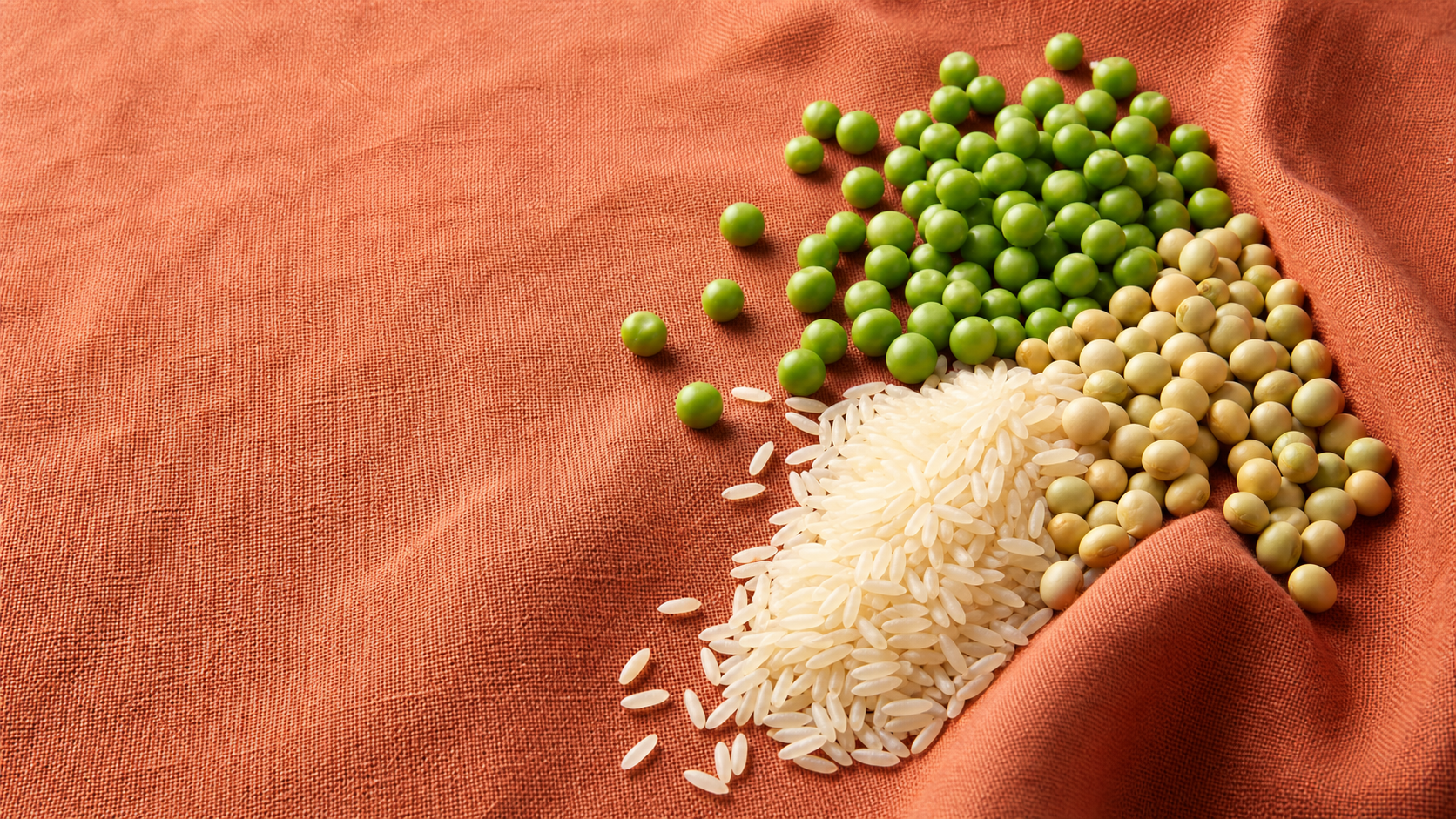
Pea protein is dairy-free and generally easy to digest. Its amino-acid profile is somewhat lower in methionine than that of some other proteins, but this is rarely a concern in a varied diet. A pea-and-rice blend creates a more complementary amino-acid profile and is a sensible choice for an entirely plant-based shake. Because plant powders can contain slightly less protein per scoop, check the nutrition label instead of assuming that every serving supplies the same amount.
Ready-to-drink shakes offer maximum convenience and make calorie intake predictable. The best protein shakes in this category generally provide at least 20 grams of protein without turning into liquid desserts. Their disadvantages include higher cost, packaging waste, and formulations that sometimes contain substantial added sugar, saturated fat, or long ingredient lists. These features do not automatically make a shake unhealthy, but they deserve comparison.
Homemade whole-food shakes can combine protein powder or strained yogurt with fruit, vegetables, and other ingredients. They are often more satisfying because they can include fiber and greater volume. They are also easy to underestimate: nut butter, coconut milk, honey, dates, oats, and large fruit portions can push one smoothie beyond the calories of a full meal. A nutritious shake can still be poorly suited to a calorie deficit.
How to Choose a Weight-Loss-Friendly Protein Shake
Begin with protein content. For many adults, 20 to 30 grams per serving is a useful range for a meal or substantial snack. Smaller bodies or lighter snacks may require less, while larger adults and people training intensely may benefit from more. The goal is not to consume the largest possible dose; it is to distribute enough protein across the day while staying within overall energy needs.
Next, examine calories in context. A 120- to 180-calorie shake may work well as a protein-focused snack, but it is usually too nutritionally sparse to replace an entire meal. A meal-replacement shake may reasonably contain about 250 to 400 calories when it also supplies fiber, micronutrients, and enough volume to satisfy you. There is no universal ideal because calorie needs differ with body size, age, activity, health, and the pace of weight loss.
Look for low added sugar rather than demanding that every gram of carbohydrate disappear. Naturally occurring lactose from milk and carbohydrate from fruit can fit into a healthy diet. Added syrups and sugars are more important to limit because they can increase calories without improving fullness very much. A practical shake often has no more than a few grams of added sugar, although the rest of the day’s eating pattern matters more than one isolated number.
Fiber deserves special attention if the shake replaces food. Protein powders commonly contain little or no fiber, whereas a balanced meal might supply vegetables, fruit, legumes, or whole grains. Choosing a shake with several grams of fiber—or blending in berries, spinach, chia seeds, or a modest portion of oats—can improve fullness and digestive regularity. Increase fiber gradually and drink adequate fluids if your current intake is low.
Also assess fat quality, sodium, and ingredient tolerance. Some bottled shakes use cream or coconut ingredients that raise saturated fat, while others contain enough sodium to matter for people who have been advised to restrict it. Sugar alcohols, gums, inulin, and intense sweeteners are safe for most people in customary amounts, but they may cause bloating or an unpleasant aftertaste in sensitive individuals.
Finally, seek credible quality assurance. Protein powders are supplements, and manufacturing quality can vary. Independent certification from a recognized testing organization can offer additional reassurance that the product contains what the label claims and has been screened for contaminants. Competitive athletes should prioritize sport-specific certification because an ordinary “natural” or “clean” claim does not guarantee freedom from prohibited substances.
Five Effective Shake Formulas for Different Needs
1. The lean whey snack: Blend one serving of unflavored or lightly sweetened whey isolate with water, ice, and cinnamon. This minimalist option typically provides a high protein-to-calorie ratio. It works best after resistance training or as a planned snack, not as a nutritionally complete meal. Using milk instead of water adds protein and nutrients but also raises calories.
2. The high-fiber berry meal: Blend protein powder with unsweetened milk or fortified soy beverage, frozen berries, spinach, ice, and one tablespoon of chia seeds. The fruit and seeds provide fiber, while the frozen ingredients create volume and a thick texture. Measure the chia rather than pouring freely; seeds are nutritious but energy-dense.
3. The creamy casein evening shake: Mix casein with cold water or low-fat milk, cocoa powder, and ice. Casein thickens as it sits, so additional liquid may be necessary. This shake can replace a habitual high-calorie dessert or late-night snack. It will not accelerate overnight fat burning, but the substitution may reduce daily calorie intake.
4. The plant-powered blend: Combine pea-and-rice or soy protein with unsweetened fortified soy beverage, frozen cherries, and ice. Soy beverage generally contributes more protein than almond, oat, or rice drinks, although labels vary. Choose a beverage fortified with calcium and vitamin D if the shake regularly replaces dairy foods.
5. The portable bottled option: Select a ready-to-drink shake with approximately 20 to 30 grams of protein, modest calories, little added sugar, and a taste you genuinely enjoy. Keep it available for travel, work, or other situations in which the realistic alternative is fast food or a vending-machine snack. Convenience is a legitimate nutritional advantage when it supports consistency.
These formulas are templates rather than prescriptions. Adjust portions to fit your calorie target and purpose. A snack shake should be smaller than a meal replacement, and an athlete’s recovery drink may require more carbohydrate than a sedentary person’s afternoon snack. The best formula is the one that solves a specific dietary problem without creating a new calorie surplus.
When and How to Use Protein Shakes
Timing is less important than total dietary intake, but strategic timing can make protein shakes for weight loss more useful. A morning shake may help people who otherwise skip breakfast and become excessively hungry later. An afternoon shake can replace cookies or chips. A post-workout shake offers a convenient source of protein when a regular meal is not coming soon.
Use a shake as a substitution, not an automatic addition. Decide what it is replacing before drinking it. If it replaces breakfast, build a balanced meal with protein, fiber, and produce. If it replaces a snack, keep the formula simple and appropriately sized. Recording the recipe once can reveal hidden calories and make future preparation easier without requiring permanent meticulous tracking.
Chewing and food volume contribute to satisfaction, so liquid meals do not suit everyone. Some people feel hungry soon after drinking calories even when the protein content is high. In that case, make the shake thicker, consume it slowly, or pair a smaller serving with a whole fruit or crunchy vegetables. If a plated meal controls hunger better, there is no weight-loss advantage to forcing shakes into the plan.
Resistance exercise is a particularly useful partner. Two or more weekly sessions targeting major muscle groups can help preserve strength and lean tissue during weight loss. Walking, cycling, and other aerobic activity support cardiovascular health and energy expenditure, but protein alone cannot reproduce the muscular stimulus provided by progressively challenging exercise.
Common Mistakes That Undermine Results
The most common mistake is treating a protein shake as calorie-free because it is marketed for fitness. A large smoothie containing multiple scoops of powder, nut butter, full-fat milk, oats, honey, and banana can exceed 700 calories. Every ingredient may be nutritious, yet the combination can still work against fat loss. Measure energy-dense additions until you understand their typical portions.
Another mistake is choosing products based on claims such as “metabolism booster,” “fat burner,” or “detox.” Ingredients like caffeine may temporarily increase alertness or slightly affect energy expenditure, but they do not compensate for excess calories. Proprietary herbal mixtures may add cost, interact with medicines, or produce side effects without delivering meaningful fat loss.
Replacing too many meals is also risky. Whole foods provide texture, dietary variety, fiber, and a broad range of nutrients. Depending heavily on shakes may make social eating difficult and teach little about sustainable portioning. Unless a clinician supervises a structured meal-replacement program, most people are better served by using shakes selectively within a varied diet.
Finally, avoid pursuing protein at the expense of everything else. Fruits, vegetables, whole grains, legumes, healthy fats, sleep, activity, and stress management all influence health and adherence. Weight loss is not improved by reaching a protein target while ignoring total calories, food quality, or a pattern of restrictive dieting followed by overeating.
Safety, Daily Protein Targets, and Who Needs Guidance
For generally healthy adults, protein needs are commonly anchored to body weight, but one target does not fit everyone. The basic adult reference intake is about 0.8 grams per kilogram of body weight per day. People dieting, aging, or participating in regular resistance training often use higher intakes, frequently around 1.2 to 1.6 grams per kilogram per day, depending on individual circumstances. More is not necessarily better once needs are met.
People with chronic kidney disease, significant liver disease, certain inherited metabolic conditions, or medically prescribed nutrient restrictions should consult a qualified clinician before substantially increasing protein. Anyone taking glucose-lowering medicine may also need individualized planning if a shake replaces a meal, because changing carbohydrate and calorie intake can affect blood glucose and medication needs.
Check allergens carefully. Whey and casein come from milk; soy is a major allergen; and blended powders may be manufactured around nuts, eggs, or gluten-containing ingredients. Lactose intolerance does not always require avoiding whey, because isolate generally contains less lactose than concentrate, but tolerance varies. Persistent digestive symptoms warrant a different product or professional evaluation.
Pregnant or breastfeeding people, adolescents, older adults with poor appetite, and anyone with a history of an eating disorder should seek personalized advice before adopting a restrictive shake-based plan. Unintentional weight loss, severe fatigue, persistent gastrointestinal symptoms, or rapid changes in weight also deserve medical attention rather than experimentation with supplements.
Related Articles
- Alani Nu Pre-Workout: Benefits, Ingredients and Honest Review
- GABA Supplement: Benefits, Uses, and Safety
- Chromium Picolinate: Blood Sugar Support and Weight Management Explained
- Iron Tablets: Essential Guide to Anemia Prevention and Energy Support
Frequently Asked Questions
Can I drink a protein shake every day and still lose weight?
Yes. A daily shake can fit a healthy weight-loss plan if total calorie intake remains appropriate and the rest of the diet provides enough whole foods, fiber, and micronutrients. The shake is most effective when it consistently replaces a higher-calorie or lower-protein choice rather than being added to an already sufficient diet.
Is whey or plant protein better for weight loss?
Neither has a universal fat-loss advantage. Whey offers a concentrated, leucine-rich protein and often mixes easily. Soy and blended plant proteins can provide comparable practical benefits when servings supply sufficient protein. Choose according to dietary preferences, allergies, digestion, cost, taste, and product quality. Consistency and calorie balance matter more than whether the source is dairy or plant-based.
Should a weight-loss protein shake replace breakfast or dinner?
It can replace either, but the best choice is the meal at which it solves a recurring problem. A shake may improve breakfast if mornings are rushed, while an evening shake may help when dinner portions are routinely excessive. A meal replacement should contain more than isolated protein: include fiber, produce, and enough energy to prevent rapid rebound hunger.
How quickly will protein shakes produce results?
Protein shakes do not guarantee a particular rate of loss. Progress depends on the sustained calorie deficit, starting body size, activity, sleep, medicines, medical conditions, and adherence. Gradual loss is generally easier to maintain than aggressive restriction. Judge a shake by whether it improves hunger control, protein intake, strength, and long-term consistency—not by dramatic short-term scale fluctuations.
The Bottom Line
The best protein shakes are simple, satisfying, appropriately portioned, and matched to a clear purpose. Look for approximately 20 to 30 grams of protein, minimal added sugar, sensible calories, and ingredients you tolerate. Whey isolate or concentrate, casein, soy, pea, and complementary plant blends can all be effective choices.
For lasting fat loss, use the shake to make a modest calorie deficit easier while maintaining a balanced diet and regular physical activity. No powder can override total energy intake, and no single protein source is essential. The most useful protein shake for weight loss is ultimately the one that replaces a less supportive choice, preserves enjoyment and convenience, and helps you follow a healthy routine long enough for results to accumulate.