Best Supplements for Muscle Growth: Effective Choices for 2025
Top supplements for muscle growth in 2025 offer effective support to boost strength and enhance workout results with proven ingredients and formulas.

Paid links: Some links in this article go to iHerb through an affiliate program: if you buy something after clicking one, StarterScience earns a commission and you pay the same price. That commission never changes how we describe the evidence, including when the evidence is weak. This article is general information, not medical advice — talk to a qualified healthcare professional before starting any supplement.
The best supplements for muscle growth in 2025 are creatine monohydrate and a high-quality protein powder when food alone does not meet your protein needs. Creatine can improve strength and training capacity, while whey, casein, soy, or another complete protein can help provide the amino acids required to build muscle. Caffeine may indirectly support muscle gain by improving workout performance, and beta-alanine may help during demanding high-intensity sessions. Other popular options, including branched-chain amino acids, testosterone boosters, and mass gainers, are useful only in limited circumstances—or lack convincing evidence altogether. No supplement replaces progressive resistance training, sufficient calories, adequate protein, sleep, and recovery.
How Supplements Support Muscle Growth | Creatine Monohydrate: The Best-Supported Performance Choice | Protein Powders: Convenient Nutrition, Not a Requirement | Caffeine and Beta-Alanine: Performance Aids With Indirect Benefits | HMB, Essential Amino Acids, and Other Conditional Options | Supplements That Are Commonly Overrated | How to Choose and Use Muscle Building Supplements Safely | A Practical, Evidence-Based Supplement Plan | Frequently Asked Questions
How Supplements Support Muscle Growth
Muscle growth occurs when resistance training repeatedly challenges muscle fibers and the body has enough energy, amino acids, and recovery time to adapt. Training stimulates muscle protein synthesis, but gaining appreciable muscle also requires a well-designed program with progressive overload. In practical terms, that means gradually increasing resistance, repetitions, sets, range of motion, or training quality over time.
Supplements can support this process in three main ways. Some provide building materials, as protein powders do. Others improve the quality or quantity of training, as creatine and caffeine can. A third group may assist recovery or help correct a nutrient deficiency. These are supporting roles: taking muscle growth supplements without an effective training stimulus will not produce the same results.
Total nutrition matters more than any single product. Most people trying to build muscle should eat enough calories to support training and aim for roughly 1.4 to 2.0 grams of protein per kilogram of body weight per day. A major systematic review and meta-analysis found that protein supplementation modestly improved strength and fat-free-mass gains during resistance training, with benefits leveling off at a total intake of approximately 1.6 grams per kilogram per day for many healthy adults. Individual needs can be higher during calorie restriction or exceptionally demanding training.
Carbohydrates also deserve attention because they help replenish muscle glycogen and sustain training intensity. Dietary fats contribute energy and support general health. Before shopping for muscle building supplements, therefore, assess whether the real limitation is insufficient protein, inadequate calories, inconsistent training, poor sleep, or unrealistic expectations.
Creatine Monohydrate: The Best-Supported Performance Choice
Creatine monohydrate is arguably the most thoroughly researched supplement for strength and lean-mass development. Muscles store creatine primarily as phosphocreatine, which helps regenerate adenosine triphosphate during short, intense efforts. Increasing these stores can allow an athlete to perform an extra repetition, maintain power across sets, or train with slightly greater quality. Those small improvements can accumulate into a stronger hypertrophy stimulus.
Research consistently supports creatine when it is combined with resistance training. A systematic review and meta-analysis of adults younger than 50 reported greater upper- and lower-body strength gains with creatine plus resistance training than with placebo plus training. Research using direct measurements of muscle thickness or cross-sectional area suggests that creatine’s additional hypertrophy effect is generally small, but potentially meaningful over time.
A simple protocol is 3 to 5 grams of creatine monohydrate every day. Timing is not critical, and taking it consistently matters more than consuming it immediately before or after exercise. A loading phase can saturate muscles faster: approximately 20 grams daily, divided into four 5-gram servings, for five to seven days, followed by 3 to 5 grams per day. Loading is optional; the lower daily dose typically reaches similar saturation after several weeks.
Initial weight gain is common because creatine increases water held within muscle cells. This is not the same as gaining body fat, nor does it mean that all subsequent weight gain represents new muscle tissue. Mild gastrointestinal discomfort can occur with large servings, especially during loading, so dividing the dose or skipping the loading phase may help.
Creatine monohydrate is usually preferable to buffered creatine, creatine hydrochloride, and other more expensive versions because alternative forms have not demonstrated a reliable advantage. Healthy adults generally tolerate standard doses well, but people with kidney disease, those who are pregnant or breastfeeding, and anyone taking medications that affect kidney function should consult a qualified clinician before using it.
Protein Powders: Convenient Nutrition, Not a Requirement
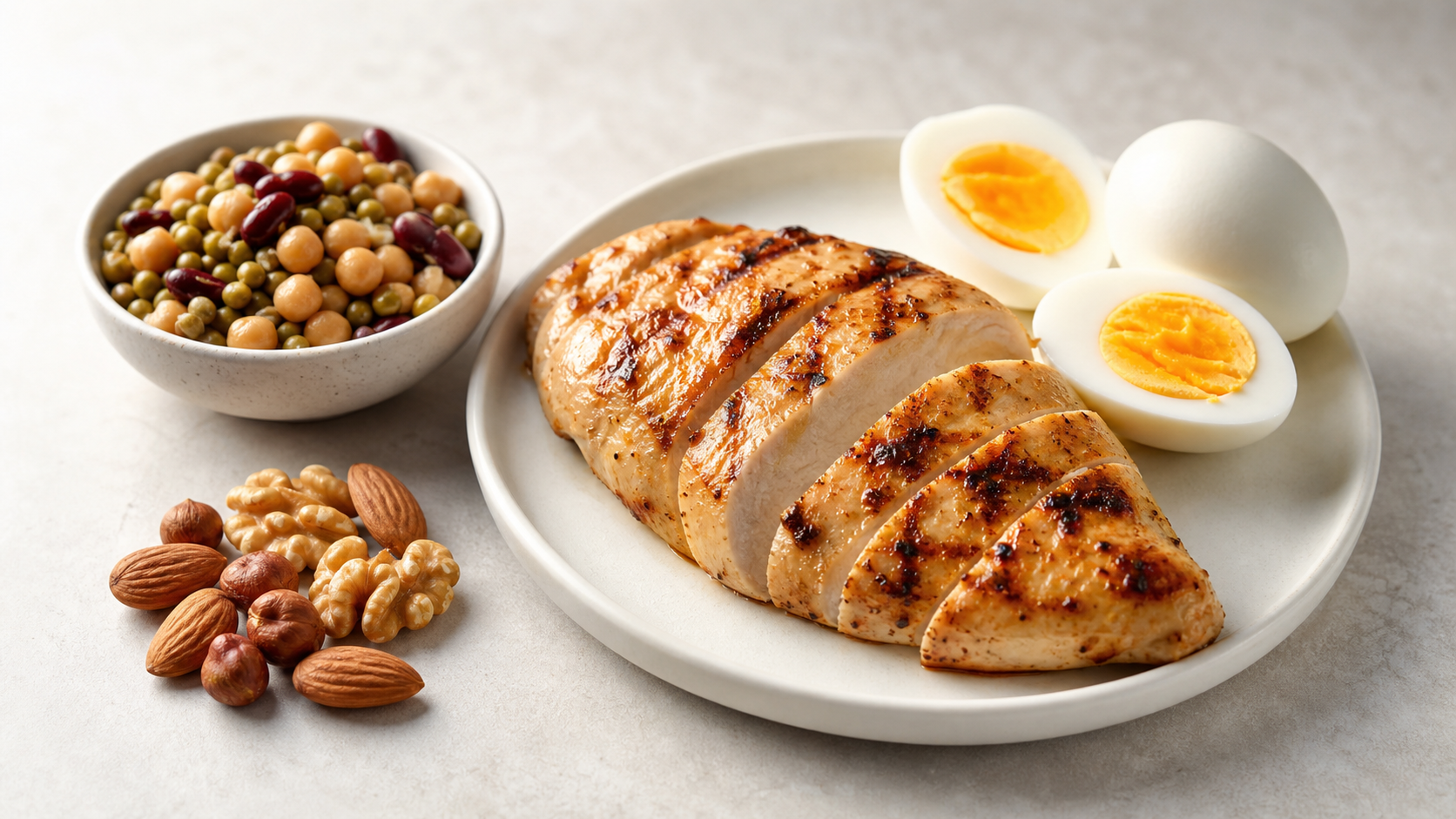
Protein powder belongs among the best supplements for muscle growth because it offers a convenient way to close a dietary gap. It is not inherently more anabolic than protein-rich food. If meals already provide enough high-quality protein, adding multiple shakes is unlikely to accelerate muscle gain. If work, appetite, travel, dietary restrictions, or calorie targets make adequate intake difficult, however, protein powder can be extremely practical.
Whey protein is rapidly digested, rich in essential amino acids, and particularly high in leucine, an amino acid involved in initiating muscle protein synthesis. Whey concentrate is generally economical but contains more lactose and fat than whey isolate. Isolate may suit people who want more protein per calorie or tolerate only small amounts of lactose, although it is not automatically better for muscle growth.
Casein digests more slowly and can be useful when a longer interval between meals is expected. Soy protein is a well-supported complete plant protein, while blends containing pea, rice, or other sources can improve the amino-acid profile of plant-based products. A 2024 network meta-analysis of protein supplementation and resistance training found that several milk-derived proteins and mixed protein sources supported gains in muscle mass and strength. The broader message is that total daily protein and consistent training matter more than minor differences between reputable complete proteins.
A typical serving provides 20 to 40 grams of protein. Rather than consuming most of the day’s protein in one meal, distribute it across three to five meals or snacks. A practical target is approximately 0.3 to 0.4 grams per kilogram per meal, adjusted for body size, age, appetite, and total daily requirements. Older adults may benefit from servings toward the upper end because the muscle-building response to a small protein dose can be reduced with age.
The post-workout period is a convenient opportunity to consume protein, but it is not a narrow emergency window. A shake after training can help when the previous meal was several hours earlier or when a normal meal will be delayed. Otherwise, eating sufficient protein across the entire day remains the priority.
Caffeine and Beta-Alanine: Performance Aids With Indirect Benefits
Caffeine does not directly build muscle, but it can improve alertness, effort, and aspects of strength or muscular endurance. A better workout may produce a stronger training stimulus, making caffeine a potentially useful addition to a muscle-building plan. Benefits must be weighed against sleep disruption, since chronically poor sleep can undermine recovery, appetite regulation, and performance.
A commonly studied dose is approximately 3 to 6 milligrams per kilogram of body weight about 30 to 60 minutes before exercise. Many people respond to much less, however, and starting with 1 to 2 milligrams per kilogram is more cautious. Coffee can work as well as a pre-workout supplement, although its caffeine content is less predictable. Avoid combining multiple caffeinated products, and consider skipping caffeine for afternoon or evening workouts if it interferes with sleep.
Caffeine can cause nervousness, headache, gastrointestinal upset, a rapid heartbeat, or increased blood pressure. Habitual use also produces tolerance. People with cardiovascular conditions, anxiety disorders, caffeine sensitivity, or relevant medication use should seek medical guidance. Pregnant people must follow pregnancy-specific caffeine limits rather than athletic dosing practices.
Beta-alanine is used differently. It increases muscle carnosine, which helps buffer acidity during intense exercise. Its strongest application is repeated hard efforts or sustained high-intensity work lasting roughly one to several minutes. It may help bodybuilders performing demanding moderate-to-high-repetition sets, but it is less compelling for low-repetition lifting with long rest periods.
A standard approach is 3.2 to 6.4 grams per day for several weeks, divided into smaller servings. Beta-alanine works through gradual tissue saturation, so taking it immediately before a workout is unnecessary. Tingling or prickling skin, known as paresthesia, is common after a large dose. It is generally temporary and can be reduced with divided doses or sustained-release products. Beta-alanine may enhance training under the right conditions, but its evidence for directly increasing muscle size is less robust than the evidence supporting creatine and adequate protein.
HMB, Essential Amino Acids, and Other Conditional Options
Beta-hydroxy-beta-methylbutyrate, or HMB, is a metabolite of leucine. It has been studied for its potential to reduce muscle-protein breakdown and improve recovery. Results are mixed, particularly among experienced lifters following ordinary training programs. HMB may be more relevant for untrained people beginning an intense program, older adults at risk of muscle loss, or periods involving unusually damaging exercise.
The National Institutes of Health Office of Dietary Supplements notes that the evidence is not sufficient to conclude that HMB reliably improves athletic performance, although it may assist recovery from sufficiently muscle-damaging exercise. A commonly studied amount is 3 grams per day. That limited and population-dependent evidence places HMB below creatine and protein in a typical supplement budget.
Essential amino acid supplements can stimulate muscle protein synthesis because they supply all nine amino acids the body cannot produce. They may be useful for someone who cannot tolerate a full meal or protein shake, has a very low appetite, or needs a compact protein source. For most healthy adults, however, a complete protein food or powder supplies essential amino acids more economically and with greater nutritional value.
Branched-chain amino acids contain leucine, isoleucine, and valine but omit the other essential amino acids needed to construct new muscle protein. If a person already consumes enough complete protein, BCAAs are unlikely to add meaningful benefit. Leucine alone can act as a signal, but signaling cannot complete the building process without the full amino-acid pool. This is why whey, soy, eggs, dairy, meat, fish, legumes, or a balanced plant-protein blend generally represents a better investment.
Vitamin D, iron, magnesium, and other micronutrients support health and physical function, but supplementing them does not automatically build more muscle. Correcting a confirmed deficiency may improve well-being or training capacity. Taking high doses without a demonstrated need can be ineffective or harmful, so testing and clinical advice are preferable when deficiency is suspected.
Supplements That Are Commonly Overrated
“Testosterone boosters” containing tribulus, D-aspartic acid, fenugreek, or proprietary herbal combinations rarely produce the dramatic body-composition changes implied by their marketing. Even when an ingredient causes a small change in a laboratory hormone measurement, that does not establish a meaningful increase in muscle mass. Anyone experiencing symptoms of low testosterone should seek medical evaluation rather than self-treat with a bodybuilding blend.
Glutamine is important in human physiology, but supplemental glutamine has not consistently increased strength or hypertrophy in healthy, well-nourished resistance trainees. It may have clinical applications under medical supervision, yet it should not outrank creatine, protein, or basic nutrition for routine muscle gain.
Nitric-oxide products containing citrulline may improve blood flow and sometimes high-repetition performance, but a stronger “pump” is not proof of greater long-term growth. Evidence is promising for certain performance outcomes, though less decisive for hypertrophy. Similarly, arginine is often marketed for nitric-oxide production but has relatively poor oral bioavailability compared with citrulline.
Mass gainers are concentrated mixtures of protein and carbohydrate. They can help people who genuinely struggle to consume enough calories, but they possess no unique muscle-building property. Many provide very large servings of refined carbohydrate and may turn a modest calorie surplus into excessive fat gain. A homemade shake containing milk or fortified soy milk, oats, fruit, nut butter, and protein powder is often easier to customize.
Avoid products marketed as legal steroids, prohormones, selective androgen receptor modulators, or research chemicals. These are not ordinary muscle growth supplements. They may contain unapproved drugs, carry serious risks to the liver, cardiovascular system, hormones, fertility, and mental health, and trigger a positive test in competitive sport.
How to Choose and Use Muscle Building Supplements Safely
Begin with a clearly defined need. If protein intake is low, choose a protein powder. If the goal is to improve repeated high-intensity training and strength progression, creatine monohydrate is the leading option. If workout energy is the limiting factor, caffeine may help—provided it does not impair sleep. Buying several overlapping blends makes it harder to judge effectiveness and increases the chance of excessive or duplicated ingredients.
Read the Supplement Facts panel and favor products that disclose exact ingredient amounts. Proprietary blends can hide underdosed ingredients or unexpectedly high stimulant levels. Short ingredient lists also make adverse reactions easier to identify. Introduce one product at a time, use an evidence-based dose, and track training performance, body weight, digestion, sleep, and any side effects.
In the United States, dietary supplements are not approved for effectiveness by the Food and Drug Administration before sale in the same way that medications are. Independent certification from organizations such as NSF Certified for Sport, USP, or Informed Sport can provide additional assurance that a product was tested for identity, contaminants, or prohibited substances. Certification does not prove that a supplement builds muscle, but it can reduce quality-control uncertainty.
Competitive athletes should use products tested specifically for sport because contamination with banned substances can occur. Anyone with a medical condition or anyone taking prescription medication should review supplements with a physician or registered dietitian. This is especially important with kidney or liver disease, cardiovascular conditions, pregnancy, breastfeeding, upcoming surgery, or medications that affect blood pressure, blood sugar, bleeding, or kidney function.
Finally, judge progress over months rather than days. For many lifters, a modest calorie surplus, progressively challenging resistance training, adequate protein, and seven to nine hours of sleep will produce more reliable results than an elaborate supplement stack. The best supplements for muscle growth simply make those fundamentals easier to execute.
A Practical, Evidence-Based Supplement Plan
A sensible beginner plan can be remarkably simple. First, calculate approximate daily protein intake from food. Add one serving of whey, casein, soy, or a complete plant blend only if needed to reach the target. Second, take 3 to 5 grams of creatine monohydrate daily. Those two choices address the most common nutritional gap and add the best-supported performance ingredient.
Caffeine can be added selectively before important workouts rather than consumed automatically every day. Use the lowest effective amount and protect sleep. Beta-alanine is optional for training dominated by taxing, repeated high-intensity sets. HMB and essential amino acids should be considered situational products, not universal requirements.
Pair this plan with a small, controlled calorie surplus if muscle gain is the primary goal. Monitor average body weight, waist measurements, strength, and training volume. If weight is not increasing after several weeks and performance has stalled, add food before adding another supplement. If weight rises rapidly while waist size increases disproportionately, reduce the surplus. Supplements work best inside a feedback-driven program, not as substitutes for one.
Related Articles
- Thorne Creatine: Benefits, Usage, and Brand Insights
- Best Pre Workout for Men: Top Supplements and Performance Boosters
- Ghost Pre Workout Supplements: Ingredients, Benefits, and Reviews
Frequently Asked Questions
What is the single best supplement for muscle growth?
Creatine monohydrate is the strongest single choice for most healthy adults who already consume enough protein. It can improve strength and repeated high-intensity performance, helping users complete more productive resistance training. If dietary protein is inadequate, however, a protein powder may be the more important first purchase because muscle cannot be built efficiently without sufficient amino acids.
Do I need both creatine and protein powder?
No, but they perform different jobs and can be used together. Protein powder is a convenient food product that helps meet daily protein requirements. Creatine increases muscular creatine stores and can improve training performance. Someone who obtains enough protein from meals may use creatine without protein powder, while someone who needs convenient protein can use a powder whether or not they take creatine.
How long do muscle growth supplements take to work?
Creatine loading can increase muscle stores within approximately one week, while 3 to 5 grams daily without loading usually takes several weeks. Caffeine acts within hours, and beta-alanine generally requires consistent use for weeks. Visible muscle growth takes longer because it depends on accumulated training adaptations. Meaningful changes are usually assessed over several months, not after a handful of workouts.
Are muscle building supplements safe for teenagers?
Teenagers should prioritize supervised resistance training, sufficient food, sleep, and age-appropriate sports nutrition. Because adolescent needs vary with growth, health, and activity, supplements should be discussed with a pediatric clinician or sports dietitian and a parent or guardian. Stimulant-heavy pre-workouts, hormone boosters, prohormones, SARMs, and products with undisclosed blends are particularly inappropriate. A food-first approach is generally the safest starting point.