NAD+ Supplement: Benefits for Energy and Longevity
NAD+ supplements support energy production and promote healthy aging by enhancing cellular function and boosting metabolic processes naturally.

Paid links: Some links in this article go to iHerb through an affiliate program: if you buy something after clicking one, StarterScience earns a commission and you pay the same price. That commission never changes how we describe the evidence, including when the evidence is weak. This article is general information, not medical advice — talk to a qualified healthcare professional before starting any supplement.
A NAD+ supplement is designed to raise or support the body’s supply of nicotinamide adenine dinucleotide, a molecule essential for cellular energy production, DNA repair, and metabolic regulation. Research shows that oral NAD+ precursors such as nicotinamide riboside and nicotinamide mononucleotide can increase NAD-related compounds in human blood and tissues. However, evidence that these products meaningfully increase energy, delay aging, or extend human life remains preliminary. NAD supplements are biologically active and scientifically interesting, but they should be viewed as emerging health tools rather than proven anti-aging treatments.
What Is NAD+ and Why Does the Body Need It? | Types of NAD Supplements and How They Differ | Potential Benefits for Cellular Energy and Physical Function | NAD+, Sirtuins, DNA Repair, and the Anti-Aging Question | What Human Research Actually Shows | How to Choose a Product and Use It Responsibly | Lifestyle Strategies That Support NAD+ and Healthy Aging | Frequently Asked Questions | The Bottom Line
What Is NAD+ and Why Does the Body Need It?
Nicotinamide adenine dinucleotide, usually abbreviated NAD+, is a coenzyme found in every living cell. A coenzyme is a molecule that helps enzymes perform chemical reactions. NAD+ is particularly important because it moves electrons between molecules during metabolism, allowing cells to release usable energy from carbohydrates, fats, and proteins.
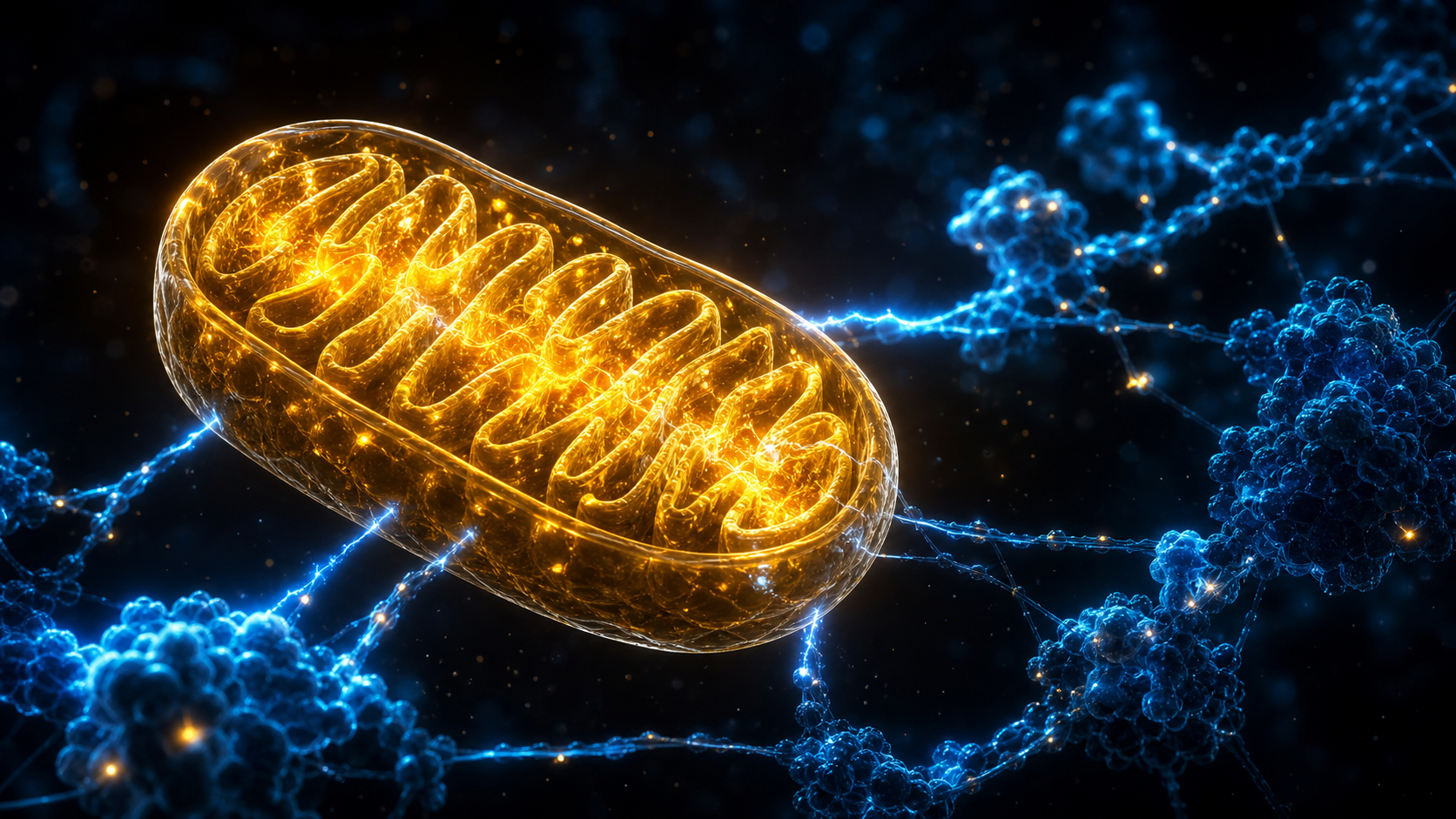
This function is closely connected to adenosine triphosphate, or ATP—the molecule cells use as immediate energy. Inside mitochondria, NAD+ accepts electrons and becomes NADH. NADH then delivers those electrons to the mitochondrial electron transport chain, helping drive ATP production. NAD+ is therefore not a stimulant like caffeine. It supports the biochemical machinery that converts fuel into cellular energy.
NAD+ also serves as a consumable substrate for several families of enzymes. Sirtuins use it in reactions associated with metabolic adaptation, stress responses, inflammation, and gene regulation. Poly(ADP-ribose) polymerases, commonly called PARPs, consume NAD+ while responding to DNA damage. Other NAD-dependent enzymes help regulate calcium signaling, immune activity, and the cell’s internal biological clock.
The body can make NAD+ through several routes. It can build it from the amino acid tryptophan, recycle nicotinamide released during NAD-consuming reactions, or use vitamin B3 compounds such as niacin and nicotinamide. Newer NAD supplements provide precursors that enter these pathways closer to NAD+ itself.
Laboratory and animal studies frequently find lower NAD+ availability with aging, chronic inflammation, metabolic stress, and disrupted circadian rhythms. Human biology is more variable: NAD-related changes can differ among tissues, age groups, and health conditions. Nevertheless, the possibility that insufficient NAD+ contributes to age-related cellular decline is the central rationale behind supplementation.
Types of NAD Supplements and How They Differ
The phrase “NAD+ supplement” covers several products, and they are not interchangeable. Most oral products do not rely primarily on intact NAD+. Instead, they supply smaller precursor molecules that the body can absorb and convert through its NAD biosynthesis pathways.
Nicotinamide riboside (NR) is a form of vitamin B3 and one of the best-studied commercial precursors. Cells convert NR into nicotinamide mononucleotide and then into NAD+. Small human trials consistently show that oral NR can increase NAD-related metabolites in blood. A placebo-controlled crossover trial in older men also found that NR altered the NAD+ metabolome in skeletal muscle, although it did not improve measured mitochondrial energy production during the short study.
Nicotinamide mononucleotide (NMN) is another direct precursor. Multiple small trials have reported increases in blood NAD+ or related metabolites after oral NMN. Some studies have also reported changes in walking performance, sleep measures, muscle function, blood pressure, or metabolic markers, but results are inconsistent and frequently come from short trials with modest sample sizes.
Niacin and nicotinamide are established vitamin B3 forms that can also support NAD+ synthesis. They are usually less expensive than NR or NMN, but they have different effects and tolerability profiles. Niacin can cause pronounced flushing and, at high therapeutic doses, may affect the liver, blood glucose, or uric acid. Large doses of nicotinamide also carry risks and should not be assumed to provide the same benefits as newer precursors.
Direct oral NAD+ appears in capsules, powders, and liposomal formulas. Its absorption, stability, and tissue delivery are less clearly characterized than those of NR and NMN. Claims that a liposomal product necessarily transports intact NAD+ directly into cells require more evidence. Intravenous NAD+ is promoted by some wellness clinics, but it is expensive, time-consuming, and lacks rigorous outcomes evidence for longevity or general wellness.
Combination formulas may add resveratrol, quercetin, trimethylglycine, coenzyme Q10, or other ingredients marketed as energy supplements or anti-aging supplements. Such blends can make a product sound comprehensive, but they also make it harder to identify which ingredient produces a benefit or adverse effect.
Potential Benefits for Cellular Energy and Physical Function
NAD+ has an undeniable role in energy metabolism, but that does not mean everyone taking an NAD+ supplement will feel more energetic. The body regulates energy through sleep, oxygen delivery, thyroid function, nutrition, physical conditioning, hormones, mental health, and many other systems. Raising a blood biomarker cannot automatically correct fatigue caused by an unrelated problem.
The strongest human finding is biochemical: NR and NMN can raise certain NAD-related metabolites in blood, and some studies have demonstrated changes in muscle or immune cells. This confirms that oral precursors enter human metabolism. It is a meaningful result, but “target engagement” is not the same as a noticeable improvement in vitality, exercise performance, or daily function.
Physical-function results are mixed. In a randomized trial of older men, 250 milligrams of NMN daily increased blood NAD+ and was associated with selected changes in muscle function, but not every performance measure improved. A 2024 study of older adults found no significant treatment advantage on its primary stepping-test outcome. Secondary results favored NMN for four-meter walking time and certain sleep scores. Because secondary outcomes are more vulnerable to chance findings, they need confirmation.
NR research follows a similar pattern. Trials generally show increased NAD metabolites and short-term tolerability, yet many have not found substantial improvements in insulin sensitivity, body composition, mitochondrial function, or broad physical performance. A recent systematic review concluded that human functional and metabolic outcomes remain heterogeneous, often null, or limited to particular endpoints.
People searching for energy supplements should therefore set realistic expectations. NAD precursors do not provide instant stimulation, and any subjective effect may be subtle. Persistent fatigue, shortness of breath, weakness, unrefreshing sleep, or reduced exercise tolerance deserves medical evaluation rather than self-treatment. Anemia, sleep apnea, medication effects, thyroid disorders, infection, depression, and cardiovascular disease are among the conditions that can masquerade as a simple need for “more energy.”
NAD+, Sirtuins, DNA Repair, and the Anti-Aging Question
Interest in NAD+ as an anti-aging target arises from its position at the intersection of energy metabolism and cellular maintenance. Sirtuins depend on NAD+ to modify proteins involved in stress resistance, metabolic flexibility, mitochondrial activity, and gene expression. PARP enzymes use NAD+ when coordinating responses to damaged DNA. CD38, an enzyme involved in immune and calcium signaling, also consumes NAD+ and may become more active during age-related inflammation.
In animal experiments, restoring NAD+ availability has sometimes improved metabolic health, mitochondrial function, vascular measures, muscle performance, or resistance to physiological stress. These findings make NAD biology a serious field of geroscience. They do not establish that a capsule will reproduce the same outcomes in people, however. Animal doses, lifespans, disease models, and metabolic pathways do not translate perfectly to human aging.
Human trials are still mostly designed to measure safety, NAD metabolites, or short-term physiological signals. They are generally too small and too brief to answer the questions consumers care about most: whether supplementation prevents disability, reduces major disease, preserves cognition, or lengthens life. No high-quality trial has demonstrated that an NR, NMN, or direct NAD+ product extends human lifespan.
The term “anti-aging supplements” can also encourage an all-or-nothing view of aging. Aging is not controlled by one molecule. It reflects interacting changes in immunity, vascular health, protein quality control, stem-cell behavior, epigenetic regulation, metabolism, and the accumulation of molecular damage. NAD+ influences several of these processes, but it is one component of a much larger system.
A fair interpretation is that NAD+ precursors have a plausible mechanism and reliably affect some biochemical markers. Whether those effects translate into a longer, healthier life remains unknown. Claims that a product “reverses aging,” repairs all DNA damage, or adds years to life go well beyond current clinical evidence.
What Human Research Actually Shows
Clinical research on NAD supplements has expanded rapidly. Randomized trials of NR and NMN have tested daily doses ranging from a few hundred milligrams to one gram or more, usually for several weeks or months. Across these studies, the most reproducible result is an increase in circulating NAD+ or related metabolites.
Short-term safety findings have generally been reassuring in the populations studied. Trials have reported similar overall adverse-event rates between precursor and placebo groups, with occasional mild digestive symptoms, headache, nausea, or discomfort. Studies lasting only weeks or months cannot establish safety over many years, in pregnancy, or in people with serious medical conditions.
Selected trials have produced encouraging physiological signals. NMN has been associated in individual studies with improved muscle insulin sensitivity in a specific group of women with prediabetes, changes in walking measures among older adults, and modest alterations in muscle function. Other trials have reported changes in cholesterol, blood pressure, weight, or sleep. NR studies have found anti-inflammatory molecular signatures and effects on certain vascular or metabolic measurements in some populations.
Yet many expected benefits have not appeared consistently. Improvements in blood NAD+ do not reliably produce better strength, cognition, glucose control, aerobic capacity, body composition, or mitochondrial respiration. Small studies may also differ in participant health, baseline NAD status, dose, laboratory methods, endpoints, and funding sources. These differences make direct comparisons difficult.
A 2026 systematic review covering human and rodent interventions found that oral NR and NMN consistently demonstrated biological activity and were generally well tolerated over the studied periods. It also concluded that evidence for clinical anti-aging and wellness benefits remains inconclusive. That distinction—reliable biomarker movement but uncertain health outcomes—is the clearest summary of the field.
Consumers should also check trial disclosures. Supplement manufacturers fund or supply products for a portion of NAD research. Industry involvement does not invalidate a study, but independent replication, transparent reporting, preregistration, and clinically meaningful primary outcomes increase confidence in a result.

How to Choose a Product and Use It Responsibly
Product choice begins with the ingredient rather than the marketing language. Look for a label that clearly identifies NR, NMN, nicotinamide, niacin, or NAD+ and states the amount per serving. Avoid proprietary blends that conceal individual doses. A simple, single-ingredient formula is usually easier to evaluate than a “longevity matrix” containing numerous compounds.
Quality matters because dietary supplements are not reviewed like prescription drugs before sale. The National Institutes of Health’s Office of Dietary Supplements explains that manufacturers are responsible for safety and truthful labeling, while the U.S. Food and Drug Administration does not preapprove supplements for effectiveness. Regulatory treatment of newer ingredients can also evolve, so consumers should check current rules in their own country.
Prefer products with independent testing from a recognized certification program or an accessible certificate of analysis tied to the specific lot. Useful testing verifies identity, potency, microbial contamination, and heavy metals. A certificate created solely by the seller is less reassuring than testing performed by an accredited outside laboratory.
Storage instructions deserve attention. NAD precursors can be sensitive to heat, humidity, and time. Keep the container tightly closed and follow the manufacturer’s temperature guidance. Do not assume that refrigeration improves every formula; stability depends on the ingredient and formulation.
There is no universally established dose for energy or longevity. Human trials have used varied amounts, and a study dose is not automatically the ideal consumer dose. More is not necessarily better: NAD metabolism produces downstream compounds that must be processed and eliminated, while long-term effects of sustained high-dose supplementation remain uncertain.
Discuss supplementation with a physician or pharmacist if you take prescription medicines, have liver or kidney disease, are receiving cancer treatment, have active cancer, are pregnant or breastfeeding, or are preparing for surgery. NAD+ supports normal cellular repair and metabolism, but those same pathways can be relevant to diseased cells. Clinical evidence is insufficient to declare supplementation safe or beneficial in every cancer-related context.
If you try a product with professional approval, define a specific goal and reassess it after a reasonable period. Track sleep, fatigue, exercise tolerance, side effects, and other relevant measures. Stop and seek medical advice for persistent vomiting, rash, severe abdominal pain, jaundice, fainting, heart rhythm symptoms, or other concerning reactions.
Lifestyle Strategies That Support NAD+ and Healthy Aging
A supplement should sit below—not above—the foundations of health. Regular physical activity stimulates mitochondrial adaptation and improves the body’s capacity to produce energy. A combination of aerobic exercise, resistance training, and ordinary daily movement has far stronger evidence for preserving function and reducing disease risk than any current NAD+ product.
Consistent sleep and circadian timing also matter. NAD+ metabolism interacts with the molecular clock, while sleep deprivation can worsen glucose regulation, appetite, inflammation, and perceived energy. Morning light exposure, a regular sleep schedule, and treatment for sleep disorders may deliver a more noticeable improvement than a capsule.
A varied diet supplies the raw materials used to make NAD+, including tryptophan and vitamin B3. Niacin and related compounds occur in poultry, fish, peanuts, legumes, mushrooms, whole grains, and fortified foods. The point is not that a serving of mushrooms acts like concentrated NMN; rather, adequate nutrition prevents basic deficiencies and supports the complete metabolic network surrounding NAD+.
Limiting tobacco exposure and excessive alcohol, maintaining cardiovascular health, and managing blood glucose also protect the cellular environment in which NAD+ operates. These measures address several drivers of biological aging simultaneously. Their effects may be less fashionable than those promised by anti-aging supplements, but the supporting evidence is much stronger.
Related Articles
- Best Berberine Supplements: Benefits, Uses, and Top Products
- Saffron Supplements: Mood Support and Wellness Benefits
- Nicotinamide Riboside Supplements: Anti-Aging and Energy Support
- Chromium Picolinate: Blood Sugar Support and Weight Management Explained
Frequently Asked Questions
Do NAD+ supplements really increase energy?
NR and NMN can increase NAD-related metabolites, but studies have not consistently shown that they improve subjective energy or exercise performance. People with low energy may notice no effect, especially when fatigue is caused by insufficient sleep, anemia, thyroid disease, medication, mood disorders, or another health problem.
Is NMN better than nicotinamide riboside?
There is not enough head-to-head evidence to declare one clearly superior. Both are NAD+ precursors, both have raised NAD-related biomarkers in human trials, and both lack definitive evidence for lifespan extension. Product quality, dose, tolerability, regulatory status, and the evidence relevant to a person’s health goal are more useful considerations than marketing claims.
How long does an NAD+ supplement take to work?
Blood biomarkers can change within days or weeks, but a biochemical change may not produce a noticeable benefit. Trials assessing physical or metabolic outcomes commonly last several weeks to a few months. There is no validated timeline for anti-aging effects, and no supplement has been proven to reverse human aging.
Are NAD supplements safe to take every day?
NR and NMN have generally been well tolerated in short-term clinical trials, but long-term daily safety remains uncertain. Risk may differ with dose, formulation, medical history, pregnancy, cancer treatment, and medication use. Consult a qualified healthcare professional before regular use and choose a clearly labeled, independently tested product.
The Bottom Line
NAD+ is indispensable to cellular energy, DNA-damage responses, metabolic signaling, and other processes relevant to healthy aging. Oral NR and NMN are capable of changing human NAD metabolism, making them more than purely theoretical energy supplements. The central uncertainty is whether those biochemical changes translate into substantial, lasting health benefits.
Current evidence does not justify treating any NAD+ supplement as a proven longevity therapy. Results for physical function, metabolic health, cognition, and perceived energy are mixed, while human lifespan extension has not been demonstrated. For interested adults, a carefully selected product may be a reasonable experiment after medical review, but it should complement—not replace—exercise, restorative sleep, nutritious food, preventive care, and treatment of genuine causes of fatigue.