Perimenopause Supplements: Supporting Transition and Hormonal Balance
Effective perimenopause supplements can support hormonal balance and ease transition symptoms, promoting overall well-being during this phase.

Paid links: Some links in this article go to iHerb through an affiliate program: if you buy something after clicking one, StarterScience earns a commission and you pay the same price. That commission never changes how we describe the evidence, including when the evidence is weak. This article is general information, not medical advice — talk to a qualified healthcare professional before starting any supplement.
Perimenopause supplements may help ease specific concerns such as hot flashes, disrupted sleep, mood changes, and declining bone support, but no single product can “balance” every hormone or stop the natural transition to menopause. The most useful approach is targeted: identify the symptoms or nutritional gaps that matter most, choose ingredients supported by credible evidence, and review them with a qualified healthcare professional—especially if you take medication, have a hormone-sensitive condition, or experience unusual bleeding.
What Happens During Perimenopause? | How to Choose Supplements for Perimenopause Relief | Best-Supported Nutrients for Bone, Muscle, and General Health | Botanical Menopause Supplements for Hot Flashes and Night Sweats | Supplements for Sleep, Mood, and Cognitive Changes | Popular Ingredients With Limited or Mixed Evidence | Recommended Product Types and a Practical Routine | Safety, Interactions, and When to Seek Medical Care | Frequently Asked Questions
What Happens During Perimenopause?
Perimenopause is the transitional stage leading up to menopause, which is reached after 12 consecutive months without a menstrual period. It often begins in the 40s, although timing varies considerably. During this phase, ovarian function becomes less predictable. Estrogen may rise sharply in one cycle and fall in the next, while progesterone production commonly becomes more irregular as ovulation occurs less consistently.
These fluctuations can affect temperature regulation, sleep, menstrual patterns, mood, vaginal comfort, and energy. Common experiences include hot flashes, night sweats, heavier or less predictable periods, breast tenderness, headaches, irritability, difficulty concentrating, and changes in sexual comfort. Some individuals have mild symptoms; others find that the transition disrupts work, relationships, or daily life.
This variability explains why broad claims about “hormonal balance supplements” deserve caution. A supplement cannot reliably hold estrogen and progesterone at ideal levels throughout an inherently changeable biological process. It may, however, influence a particular pathway, correct a deficiency, or make an individual symptom easier to manage.
Symptoms attributed to perimenopause can also have other causes. Thyroid disorders, anemia, pregnancy, medication effects, sleep apnea, and certain gynecologic conditions may produce overlapping signs. A clinical assessment is particularly important when symptoms are new, severe, or rapidly worsening.
How to Choose Supplements for Perimenopause Relief
Begin with the problem you want to address rather than a long list of fashionable ingredients. For example, magnesium may be considered when dietary intake is low or sleep is difficult, while calcium and vitamin D are primarily relevant to bone health. A product marketed simply as a comprehensive menopause formula may contain small doses of many ingredients without providing an effective amount of any one of them.
Next, look for transparent labeling. A responsible product states the exact quantity of each active ingredient and avoids hiding amounts within a proprietary blend. Prefer supplements tested by an independent organization for identity, purity, and contaminants. Third-party verification does not prove that a supplement works, but it offers useful assurance that the contents are more likely to match the label.
Dosage matters, but more is not necessarily better. Nutrients such as vitamin D, vitamin B6, iron, and calcium can cause harm when taken unnecessarily or in excessive amounts. Botanical extracts may also behave differently depending on the plant species, preparation method, and concentration of active compounds. Evidence about one standardized extract cannot automatically be applied to every tea, powder, or capsule made from the same plant.
A practical strategy is to introduce one product at a time and keep a symptom diary for several weeks. Record sleep, hot flashes, mood, menstrual changes, digestive effects, and any headaches or skin reactions. This makes it easier to determine whether a supplement is helping and prevents an expensive collection of products from becoming an unstructured experiment.
Best-Supported Nutrients for Bone, Muscle, and General Health
Calcium becomes increasingly important as estrogen declines because estrogen helps limit bone breakdown. Adults should first aim to meet their calcium needs through food, including dairy products, calcium-set tofu, canned fish with soft bones, fortified plant beverages, beans, and leafy greens. When dietary intake is insufficient, a supplement can fill the gap rather than automatically supplying the entire daily requirement.
Calcium citrate is generally well absorbed with or without food and may suit people who use acid-reducing medication. Calcium carbonate contains more elemental calcium per tablet but is best taken with a meal. Large supplemental doses are not absorbed efficiently at once, so divided doses may be appropriate. Excessive intake can contribute to constipation and may increase kidney-stone risk in susceptible individuals.
Vitamin D supports calcium absorption, bone mineralization, and muscle function. Sun exposure and diet do not always provide enough, particularly in people with limited outdoor exposure, darker skin, malabsorption, or certain medical conditions. A blood test can help determine whether supplementation is necessary and guide an appropriate dose. High-dose vitamin D should not be used indefinitely without clinical supervision.
Magnesium participates in hundreds of biochemical reactions involving muscle function, nerve signaling, energy production, and bone metabolism. Some people report better relaxation or sleep with magnesium, although evidence for direct perimenopause relief remains limited. Magnesium glycinate is often chosen for tolerability, while magnesium citrate can have a laxative effect. Supplemental magnesium may interact with antibiotics, thyroid medication, and other drugs, so timing can matter.
Protein is not usually sold as a menopause-specific remedy, yet it deserves attention during midlife. Adequate protein, combined with resistance exercise, helps preserve muscle and supports bone. A plain whey, soy, pea, or blended protein powder can be useful when meals consistently fall short. Choose a product with minimal added sugar and independent testing, and remember that a powder supplements a varied diet rather than replacing it.
Botanical Menopause Supplements for Hot Flashes and Night Sweats
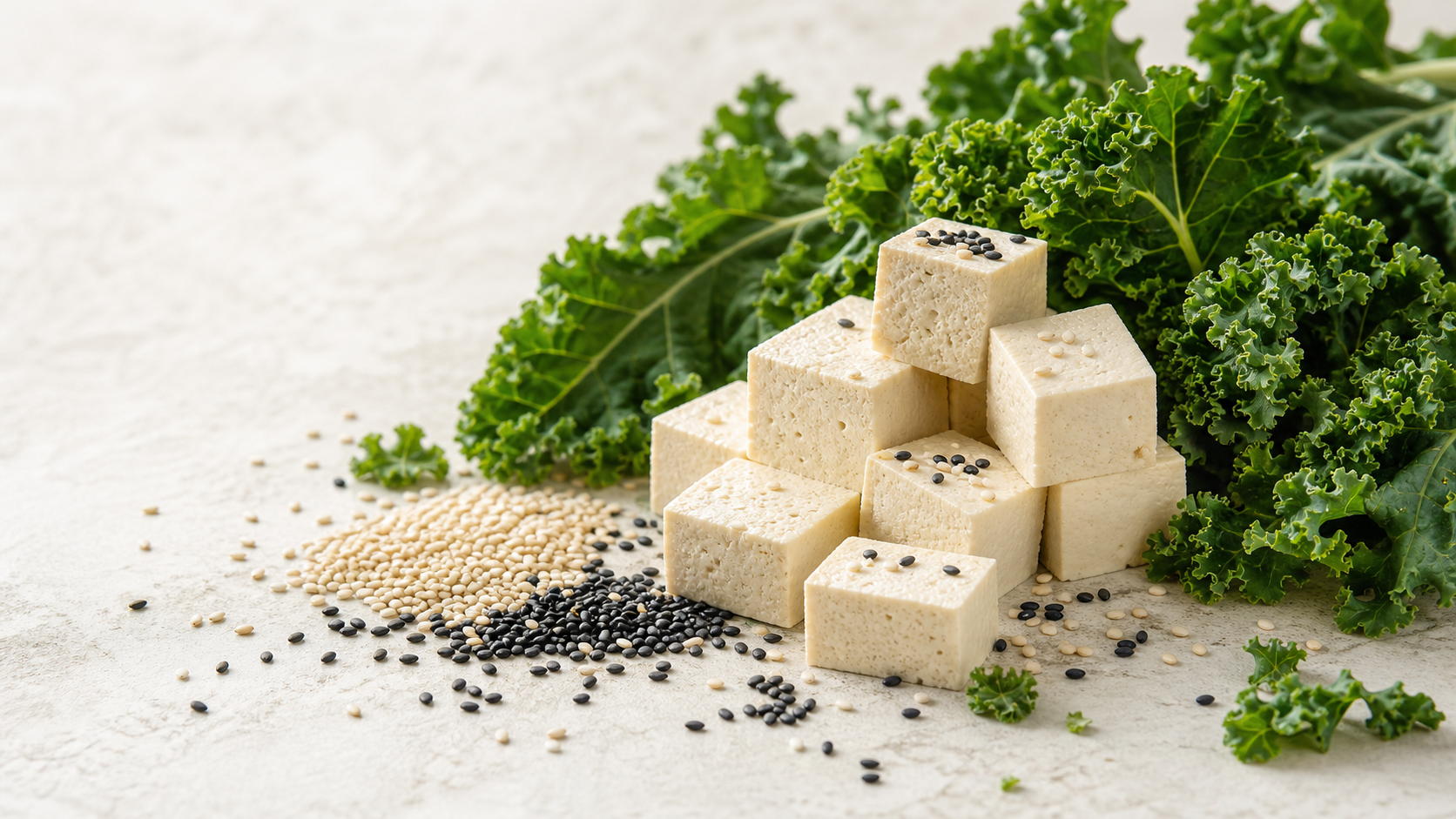
Soy isoflavones are phytoestrogens—plant compounds with weak, selective estrogen-like activity. Research suggests that standardized soy isoflavone products may modestly reduce hot-flash frequency or severity for some individuals, although results are inconsistent and benefits may take several weeks. Traditional soy foods such as tofu, tempeh, edamame, and unsweetened soy milk also provide protein and other nutrients.
People with a history of estrogen-sensitive cancer should discuss concentrated isoflavone supplements with their oncology team. Soy foods and high-dose extracts are not necessarily evaluated in the same way. Soy may also interfere with the absorption of thyroid medication when taken too close together, even though ordinary soy intake does not generally damage a healthy thyroid.
Black cohosh is one of the most familiar botanical perimenopause supplements. Some studies report improvement in vasomotor symptoms, while others find little or no benefit. Differences in extracts and study quality make firm conclusions difficult. If used, it is sensible to select a clearly identified, standardized product rather than an unverified bulk herb.
Black cohosh is generally intended for short-term symptom management. Rare reports of serious liver injury have led experts to recommend caution in people with liver disease. Stop using it and seek medical advice if dark urine, yellowing skin, unusual fatigue, or upper abdominal pain develops.
Red clover contains isoflavones, but evidence for meaningful hot-flash relief is mixed. Evening primrose oil is also widely marketed, although research has not established consistent benefit for vasomotor symptoms. These products may still produce side effects or interact with anticoagulants and other medications. “Natural” describes the source, not the safety profile.
Supplements for Sleep, Mood, and Cognitive Changes
Sleep disruption during perimenopause may result from night sweats, anxiety, circadian changes, restless legs, sleep apnea, or unrelated habits. Magnesium is sometimes included in sleep-focused hormonal balance supplements, but it is most likely to help when intake is inadequate. It should be paired with fundamentals such as a consistent schedule, a cool bedroom, limited late alcohol, and evaluation of persistent snoring or daytime sleepiness.
Low-dose melatonin may help with sleep timing or difficulty falling asleep, but it does not correct reproductive hormone fluctuations. Larger doses can cause morning grogginess, vivid dreams, or headaches and are not automatically more effective. Product quality varies, making independent verification especially valuable. Anyone using sedatives, anticoagulants, seizure medication, or immunosuppressive therapy should obtain professional guidance first.
Omega-3 fatty acids from fish oil or algae support cardiovascular health and may be useful when oily fish is rarely eaten. Evidence for treating perimenopausal depression or hot flashes is not strong enough to consider omega-3 a primary therapy, however. High doses may cause digestive discomfort and can influence bleeding, particularly when combined with anticoagulant or antiplatelet drugs.
B vitamins are often promoted for energy and stress, but they do not create energy unless a deficiency is limiting normal metabolism. Vitamin B12 is particularly relevant for vegans, people with certain gastrointestinal conditions, and some users of metformin or acid-suppressing medication. Excess vitamin B6 taken over time can cause nerve damage, so heavily fortified formulas should be reviewed carefully.
Persistent low mood, panic, loss of interest, or cognitive changes that interfere with daily functioning deserve clinical attention rather than supplement-only management. Evidence-based options may include therapy, medication, treatment of sleep problems, and, for appropriate candidates, menopausal hormone therapy.

Popular Ingredients With Limited or Mixed Evidence
Many multi-ingredient products contain maca, ashwagandha, dong quai, chasteberry, rhodiola, or wild yam. These ingredients may have traditional uses or encouraging early studies, but evidence specific to perimenopause is often small, inconsistent, or based on preparations that differ from retail products. Marketing language can move much faster than clinical research.
Ashwagandha may influence stress or sleep in some populations, but it can affect thyroid function and has been linked to rare liver injury. It may be unsuitable during pregnancy or for people with autoimmune disease, and it can interact with sedatives, blood-pressure medication, and glucose-lowering drugs. Maca has been studied for sexual function and mood, yet there is not enough high-quality evidence to establish it as a reliable hormone regulator.
Chasteberry is better known for premenstrual symptoms than for the broader perimenopausal transition. Because it may affect dopamine and reproductive signaling, it can interact with hormonal medicines, fertility treatment, and some psychiatric drugs. Dong quai may increase bleeding risk, while wild yam creams do not naturally convert into progesterone inside the human body. Claims that over-the-counter wild yam is equivalent to prescription progesterone are misleading.
“Adrenal support” blends require similar skepticism. The popular concept of adrenal fatigue is not a recognized medical diagnosis, and products sold for it may contain stimulating botanicals, sedatives, glandular extracts, or undeclared active substances. Fatigue is real, but its cause may be iron deficiency, thyroid disease, poor sleep, depression, medication effects, or another condition that needs proper assessment.
Recommended Product Types and a Practical Routine
The best recommended products are those that match a documented need. For bone support, that may be a third-party-tested vitamin D3 product based on blood results and a calcium supplement providing only the amount missing from food. For low magnesium intake, a single-ingredient magnesium glycinate or citrate product with a clearly stated elemental dose is easier to evaluate than a complex proprietary blend.
For bothersome hot flashes, a standardized soy isoflavone product may be a reasonable supervised trial when there are no relevant contraindications. Black cohosh can also be discussed as a short-term option, but expectations should remain modest. People seeking nutritional support may benefit more from a simple protein powder or algae-derived omega-3 than from an elaborate formula labeled specifically for menopause.
A streamlined routine might include a nutrient only when diet or testing shows a gap, plus one symptom-targeted supplement evaluated for a defined period. Set a review date—often six to twelve weeks, depending on the ingredient—and stop products that do not produce a meaningful benefit. This reduces cost, interaction risk, and confusion about what is working.
Avoid products promising rapid estrogen detoxification, permanent hormone resetting, or dramatic weight loss. Supplements cannot selectively direct fat loss, and perimenopausal weight changes involve sleep, activity, muscle mass, diet, genetics, medication, and aging as well as hormones. Sustainable nutrition, resistance training, aerobic activity, and adequate recovery remain more dependable foundations.
Safety, Interactions, and When to Seek Medical Care
Consult a clinician or pharmacist before using perimenopause supplements if you have liver or kidney disease, a bleeding disorder, thyroid disease, epilepsy, a hormone-sensitive condition, or a history of breast, ovarian, or uterine cancer. The same applies if you use anticoagulants, thyroid replacement, sedatives, antidepressants, diabetes medication, blood-pressure drugs, or menopausal hormone therapy.
Supplements can affect laboratory tests and surgical bleeding. Provide your healthcare team with a complete list of products, including teas, powders, gummies, and topical preparations. Before planned surgery, follow the surgical team’s instructions about which products to stop and when.
Seek prompt medical assessment for bleeding after menopause, bleeding that soaks through menstrual protection every hour, severe pelvic pain, fainting, chest pain, new neurological symptoms, or symptoms of liver injury. New bleeding between periods, bleeding after sex, or progressively heavier cycles should also be evaluated rather than assumed to be normal perimenopause.
When symptoms significantly impair quality of life, supplements are not the only option. Menopausal hormone therapy is the most effective treatment for vasomotor symptoms for many appropriate candidates, while nonhormonal prescription treatments are also available. A personalized discussion can compare benefits, contraindications, and risks more accurately than a universal supplement plan.
Related Articles
- Specialized Supplements for Hormonal Health: DHEA, Serovital Advanced, and DIM
- Best Menopause Supplements for Symptom Relief and Wellness
- Super Beta Prostate: Benefits and Supplement Guide
- DHEA Supplements: Hormonal Support and Clinical Benefits
- DIM Supplements: Hormonal Balance and Health Support
Frequently Asked Questions
What are the best perimenopause supplements to start with?
There is no universal starter stack. The most appropriate choice depends on symptoms, diet, medical history, medication use, and laboratory findings. Vitamin D or calcium may be appropriate for a demonstrated gap, while standardized soy isoflavones may offer modest hot-flash relief. Start with one clearly labeled product and review its effects rather than combining several formulas at once.
Can supplements truly balance hormones during perimenopause?
Most products cannot reliably normalize fluctuating estrogen and progesterone. The phrase “hormonal balance supplements” is largely a marketing term unless it refers to correcting a specific nutrient deficiency or targeting a defined symptom. Prescription hormonal therapy has measurable effects on hormone exposure, but it also requires individualized medical assessment.
How long do menopause supplements take to work?
The timeline varies by ingredient and goal. A sleep aid may have noticeable effects within days, while soy isoflavones or black cohosh may require several weeks of consistent use. Nutrients intended for long-term bone support will not produce a sensation that confirms they are working. If a symptom-targeted product provides no meaningful benefit after an appropriate trial, reconsider it with a healthcare professional.
Can I take perimenopause supplements with hormone therapy?
Possibly, but the combination should be reviewed by a clinician or pharmacist. Botanical phytoestrogens, products that affect bleeding, and ingredients metabolized by the liver may complicate treatment or add side effects. Bring the exact labels—including doses and proprietary-blend details—to the appointment so the full regimen can be assessed.