Saffron Supplements: Mood Support and Wellness Benefits
Saffron supplements offer natural mood support and wellness benefits, helping to enhance emotional balance and overall health effectively.

Paid links: Some links in this article go to iHerb through an affiliate program: if you buy something after clicking one, StarterScience earns a commission and you pay the same price. That commission never changes how we describe the evidence, including when the evidence is weak. This article is general information, not medical advice — talk to a qualified healthcare professional before starting any supplement.
A saffron supplement may support mood, ease some symptoms of mild-to-moderate depression, and contribute to cognitive and general wellness. Research suggests that standardized saffron extracts can produce meaningful emotional-health benefits for some adults, although they are not a universal remedy or a substitute for professional mental health care. The most promising saffron benefits appear to come from consistent, appropriately dosed use of a reputable extract containing measured levels of active compounds such as crocin and safranal.
What Is a Saffron Supplement? | Saffron Benefits for Mood and Emotional Well-Being | How Saffron May Influence Mood and Brain Function | Depression Alleviation: What the Evidence Does and Does Not Show | Cognitive Support, Memory, and Mental Clarity | Broader Wellness Benefits of Saffron | Dosage, Timing, and How Long Benefits May Take | Safety, Side Effects, and Important Precautions | How to Choose a High-Quality Saffron Supplement | Frequently Asked Questions | The Bottom Line
What Is a Saffron Supplement?
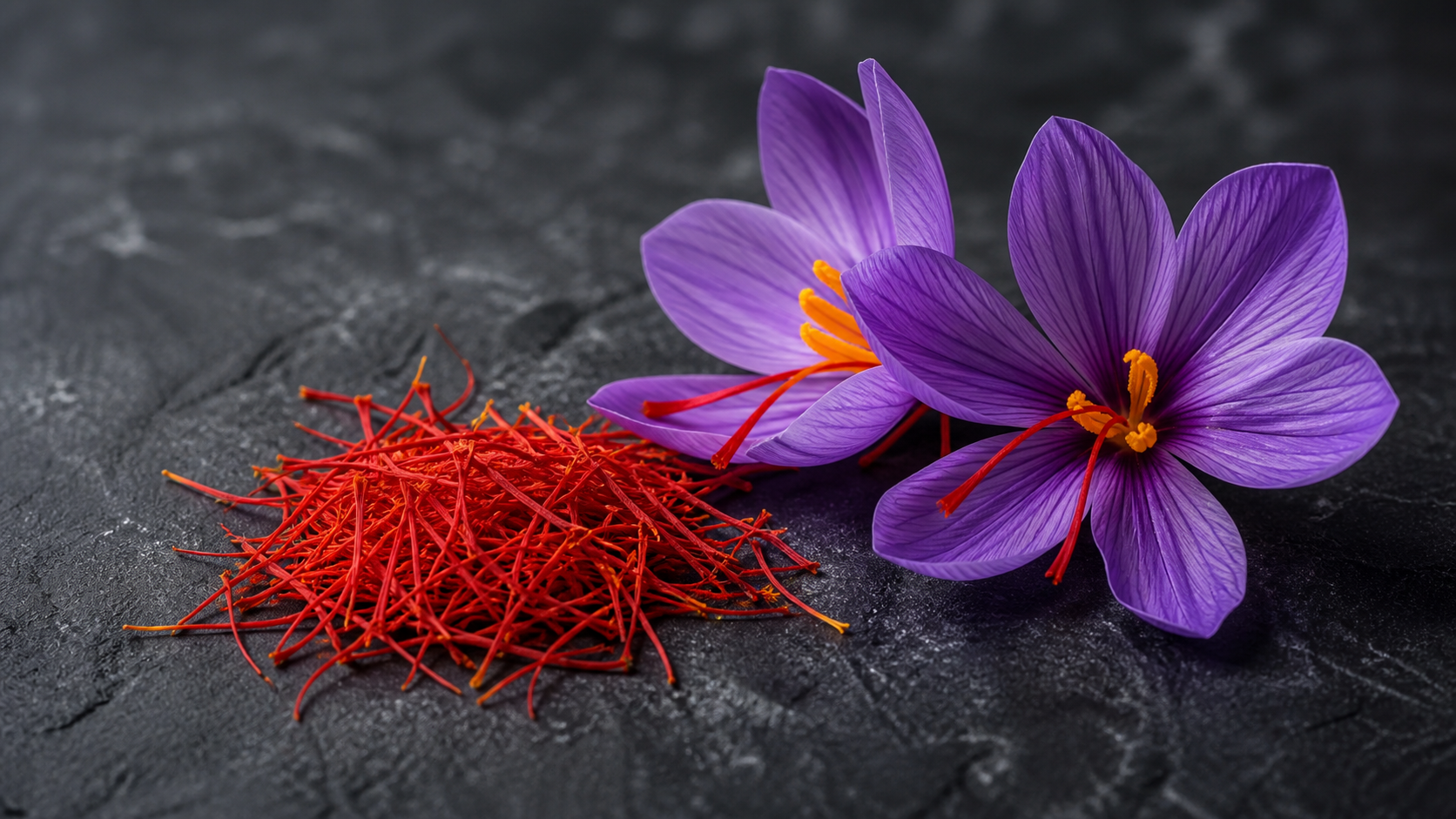
Saffron is the deep-red stigma of Crocus sativus, a purple-flowering plant cultivated in countries including Iran, India, Greece, Morocco, and Spain. Each flower produces only three stigmas, which must be harvested carefully. This labor-intensive process explains why genuine saffron is among the world’s most valuable spices.
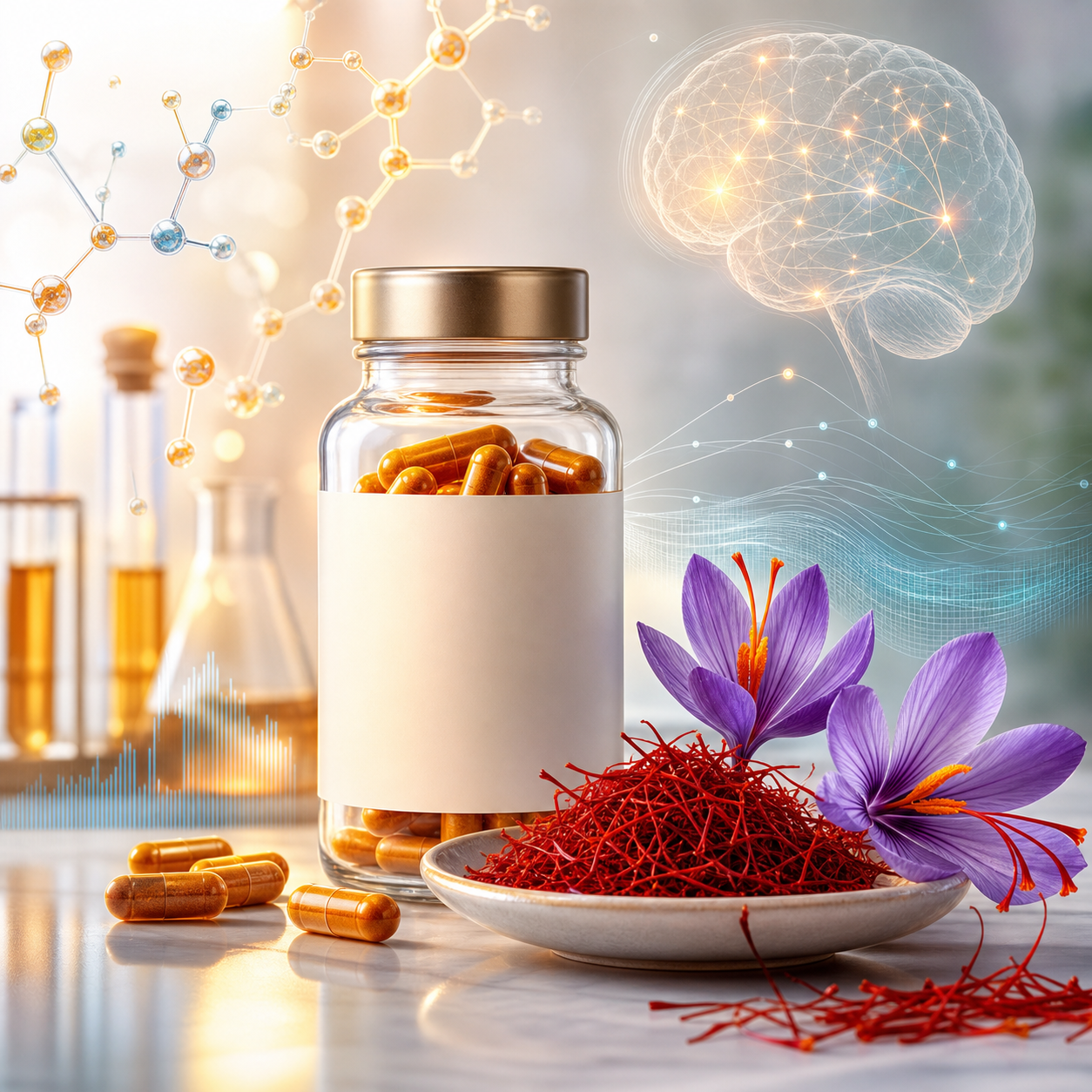
A saffron supplement concentrates the plant’s naturally occurring compounds into a capsule, tablet, liquid, or powdered extract. Most clinical studies have examined standardized extracts rather than ordinary culinary saffron. Standardization matters because the concentration of active constituents can vary according to the plant’s origin, harvest conditions, storage, and extraction method.
The major compounds studied include crocin and crocetin, carotenoid pigments responsible for saffron’s vivid color, and safranal, an aromatic compound associated with its characteristic scent. These constituents have antioxidant and anti-inflammatory properties and may influence biological pathways involved in emotional regulation, stress response, and brain function.
Saffron has a long history in traditional wellness practices, but modern interest is focused on whether its effects can be measured in controlled clinical trials. The available findings are encouraging, particularly for mood support, yet they should be interpreted with appropriate caution. Many studies are relatively small, use different formulations, or last only several weeks.
Saffron Benefits for Mood and Emotional Well-Being
Mood support is the best-studied reason for taking saffron. Clinical trials and research reviews suggest that standardized saffron extracts may reduce depressive symptoms more effectively than a placebo in some adults with mild-to-moderate depression. Certain studies have also reported effects comparable to those of commonly prescribed antidepressants, but this does not mean the two approaches are interchangeable.
The potential benefit appears to involve more than a temporary lift in spirits. Trial participants have reported improvements in measures such as sadness, loss of interest, emotional tension, and overall symptom severity. Researchers generally observe these changes after several weeks of daily use rather than immediately. Saffron should therefore not be treated as a fast-acting solution for acute distress.
Among mood enhancement supplements, saffron is notable because it has been evaluated in multiple randomized controlled trials. Nevertheless, the evidence base remains smaller than that supporting established psychological therapies and prescription treatments. Some trials have been conducted by closely connected research groups, and commercial extracts are not necessarily identical to one another.
Saffron may be most appropriate as part of a broader wellness plan that includes adequate sleep, physical activity, nutritious food, social support, stress management, and professional care when needed. Anyone experiencing persistent depression, major changes in daily functioning, or thoughts of self-harm should seek qualified help promptly rather than relying on herbal supplements alone.
How Saffron May Influence Mood and Brain Function
Researchers have proposed several mechanisms that could help explain saffron’s effects. One possibility is that its constituents influence serotonin, dopamine, and norepinephrine—chemical messengers involved in mood, motivation, attention, and the stress response. Laboratory findings suggest saffron may affect how some of these neurotransmitters are regulated, although its precise activity in the human brain is not fully established.
Oxidative stress and chronic low-grade inflammation are also under investigation. Both can affect neural signaling and have been associated with depression and age-related cognitive decline. Crocin, crocetin, and safranal demonstrate antioxidant activity in experimental models, potentially helping cells manage oxidative damage. It is still uncertain how closely laboratory effects correspond to outcomes in people taking ordinary supplement doses.
Saffron may also interact with the body’s stress-regulation systems. Prolonged stress can disrupt sleep, concentration, appetite, and emotional stability. By supporting a more balanced response to stress, saffron could indirectly improve subjective well-being. This remains an evolving research area, and claims that saffron “balances hormones” or “rewires the brain” go beyond what current evidence can confirm.
Another intriguing area is neuroplasticity, the brain’s ability to adapt and form connections. Preclinical evidence indicates that saffron compounds may support pathways associated with neuronal resilience. Human research is needed to determine whether these effects translate into durable improvements in cognition or protection against neurological disease.

Depression Alleviation: What the Evidence Does and Does Not Show
Research on saffron and depression typically involves adults with diagnosed mild-to-moderate symptoms who take a standardized extract for approximately six to twelve weeks. Across several trials, participants receiving saffron have shown greater symptom improvement than participants receiving a placebo. Reviews combining multiple studies have generally reached similarly positive conclusions.
These findings make saffron one of the more promising herbal supplements for emotional health, but important limitations remain. Sample sizes are often modest, treatment periods are short, and formulations differ. Publication bias is also possible: positive findings are more likely to appear in journals than neutral or unfavorable results.
It is particularly important not to interpret research comparisons with antidepressants as proof that saffron can replace medication. A small study finding similar average symptom changes between two groups cannot establish equal effectiveness across different forms or severities of depression. Prescription treatment also offers clinical supervision, individualized dose adjustment, and a much larger body of safety data.
People already taking an antidepressant should not add saffron or stop their medication without consulting the prescribing clinician. Combining substances that affect serotonin may increase adverse effects or create unpredictable interactions. Medication discontinuation can also cause withdrawal symptoms and a return or worsening of depression.
Saffron is not an appropriate stand-alone response to severe depression, bipolar disorder, psychosis, suicidal thinking, or a rapidly deteriorating mental state. These situations require timely professional assessment. Supplements can be discussed as complementary options only after immediate safety and treatment needs have been addressed.
Cognitive Support, Memory, and Mental Clarity
Beyond mood, saffron has attracted interest for possible cognitive benefits. Small human studies have explored its effects on memory and daily functioning in people with mild cognitive impairment or Alzheimer’s disease. Some results suggest modest benefits, but the research is preliminary and does not demonstrate that saffron prevents, reverses, or cures dementia.
The proposed cognitive effects overlap with saffron’s antioxidant and anti-inflammatory activity. Brain cells are especially vulnerable to oxidative damage because they consume substantial energy and depend on efficient blood flow and cellular signaling. Crocin and related compounds may help protect these processes in experimental settings.
Mood improvement itself can also enhance perceived cognition. Depression, anxiety, poor sleep, and chronic stress frequently cause forgetfulness, reduced attention, slowed thinking, and difficulty making decisions. If saffron improves emotional symptoms or sleep quality, a person may feel mentally sharper even without a direct change in memory biology.
Healthy adults should keep expectations measured. There is not enough evidence to classify saffron as a powerful nootropic or to promise dramatic gains in focus, learning speed, or intelligence. For everyday cognitive wellness, consistent sleep, exercise, cardiovascular risk management, social engagement, and mentally stimulating activity remain more firmly established strategies.
Broader Wellness Benefits of Saffron
Saffron benefits may extend into sleep, appetite regulation, premenstrual symptoms, and sexual well-being. Evidence varies substantially by outcome, and these possible uses should be regarded as secondary to the better-studied mood findings.
Some trials suggest saffron may improve sleep quality or reduce nighttime restlessness. This effect could reflect changes in mood and anxiety rather than direct sedation. Saffron generally is not considered a conventional sleeping agent, and it should not be expected to overcome sleep apnea, severe insomnia, medication effects, or an irregular sleep schedule.
Researchers have also examined saffron for appetite and snacking behavior. A few studies report reduced urges to snack or modest changes in weight-related measures, possibly because emotional eating and mood are closely connected. These findings do not justify marketing saffron as a rapid fat-loss supplement. Any effect is likely to be small without sustainable nutrition and activity habits.
Another area of investigation involves premenstrual symptoms, including irritability, low mood, cravings, and discomfort. Preliminary clinical evidence indicates that saffron may provide relief for some individuals. Because severe cyclical mood changes can signal premenstrual dysphoric disorder or another health condition, recurring symptoms that disrupt daily life deserve clinical evaluation.
Saffron has additionally been studied for sexual dysfunction, including problems associated with certain antidepressants. Results are mixed but suggest potential improvements in selected aspects of arousal or function. Anyone experiencing a new sexual-health concern should first consider medication effects, cardiovascular factors, hormonal conditions, mental health, and relationship stress with an appropriate clinician.
Dosage, Timing, and How Long Benefits May Take
Many clinical studies have used approximately 28 to 30 milligrams of standardized saffron extract per day, sometimes divided into two doses. This research range is not a personalized prescription. Extract potency differs, and a milligram amount from one product may not be equivalent to the same amount from another.
People commonly take saffron with food to reduce the chance of stomach discomfort. Consistency is likely more important than taking it at a specific hour. Mood changes, when they occur, are generally assessed after several weeks. A product promising powerful emotional effects within minutes should be viewed skeptically.
More is not necessarily better. Culinary use and standardized supplementation are different from consuming large quantities of saffron. Excessive intake may cause nausea, dizziness, headache, bleeding, or more serious toxicity. Consumers should follow the labeled serving and avoid combining multiple saffron-containing products.
A practical approach is to choose one clearly standardized product, record the starting date, and monitor mood, sleep, energy, and adverse effects. A clinician can help determine an appropriate review point, particularly when saffron is used alongside treatment for depression or another medical condition.
Safety, Side Effects, and Important Precautions
Saffron is generally well tolerated at commonly studied supplement doses. Reported side effects can include nausea, digestive discomfort, dry mouth, headache, dizziness, drowsiness, or changes in appetite. Sensitivity varies, and “natural” does not mean free from pharmacological effects.
Pregnant individuals should avoid medicinal or high-dose saffron unless specifically advised by a qualified clinician. Large amounts have historically been associated with uterine stimulation and pregnancy-related risks. Breastfeeding safety is not sufficiently established, so professional guidance is advisable.
Saffron may affect blood pressure, blood sugar, blood clotting, or neurotransmitter activity. Extra caution is warranted for people using anticoagulants, antiplatelet medicines, blood-pressure drugs, diabetes medication, sedatives, or antidepressants. Those with bipolar disorder should consult a mental health professional because substances that alter mood can sometimes contribute to agitation or mood elevation.
Stop using the product and seek medical advice if it causes severe dizziness, fainting, unusual bleeding, allergic symptoms, marked agitation, or a significant worsening of mood. Emergency help is appropriate for breathing difficulty, severe confusion, or thoughts of self-harm.
How to Choose a High-Quality Saffron Supplement
Quality is a major concern because saffron is expensive and vulnerable to dilution, substitution, and misleading labeling. Look for a product that identifies Crocus sativus, specifies the plant part used, states the amount per serving, and describes how the extract is standardized. A label that lists only a proprietary blend makes meaningful comparison difficult.
Independent testing adds confidence that the capsule contains what the label claims and is screened for contaminants such as heavy metals, microbes, or undeclared ingredients. Certification does not prove that a supplement will work, but it can reduce uncertainty about identity and manufacturing quality.
Evaluate marketing claims carefully. Responsible manufacturers describe saffron as supporting mood or wellness; they do not promise to cure depression, prevent dementia, or replace medical care. Extremely cheap products may contain little genuine saffron, while a high price alone does not guarantee purity.
Consider the complete formula as well. Products combining saffron with several other mood enhancement supplements make it difficult to identify which ingredient is helping or causing side effects. A single-ingredient formula is often easier to evaluate, especially for someone who takes medication or has a sensitive digestive system.
Related Articles
- Best Berberine Supplements: Benefits, Uses, and Top Products
- NAD+ Supplement: Benefits for Energy and Longevity
- Nicotinamide Riboside Supplements: Anti-Aging and Energy Support
- Chromium Picolinate: Blood Sugar Support and Weight Management Explained
Frequently Asked Questions
Can a saffron supplement replace an antidepressant?
No. Although some small studies have found encouraging results for mild-to-moderate depressive symptoms, saffron is not an automatic substitute for prescribed treatment. Do not stop, reduce, or combine antidepressant medication without guidance from the clinician managing it. Severe symptoms, suicidal thinking, or major functional decline require prompt professional care.
How long does saffron take to support mood?
Research generally evaluates improvement over several weeks, often around six to eight weeks. Individual responses differ, and some people may notice no meaningful change. Immediate, dramatic effects are not typical. If symptoms persist or worsen, seek clinical advice rather than repeatedly increasing the dose.
Is culinary saffron equivalent to a standardized extract?
No. Culinary saffron contains many of the same natural compounds, but the quantity and concentration are difficult to measure. Clinical research usually uses extracts standardized for specific constituents. Adding saffron to food can be enjoyable and nutritious, but it does not reproduce a studied supplement dose reliably.
Can saffron be taken with other herbal supplements?
Possibly, but combinations require care. Other products intended for mood, sleep, blood pressure, blood sugar, or circulation may produce overlapping effects. Combining several ingredients can increase side effects and make interactions harder to identify. A pharmacist or clinician can review the complete ingredient list, particularly when prescription medicines are also used.
The Bottom Line
Saffron is a promising botanical with a growing body of evidence for mood support and possible benefits related to depression symptoms, sleep, cognition, and general wellness. Its mood research is more substantial than the evidence behind many other herbal supplements, but it remains limited by small studies, short follow-up periods, and variation among extracts.
The most sensible use of a saffron supplement is as one component of a comprehensive wellness strategy, chosen for quality and taken at a responsible dose. Realistic expectations are essential: saffron may provide gradual support, but it cannot replace emergency care, individualized mental health treatment, restorative sleep, regular movement, nutritious eating, or supportive relationships. When medical conditions or medications are involved, professional guidance is the safest foundation for deciding whether saffron belongs in a personal care plan.