Turmeric Capsules: Anti-Inflammatory Benefits and Best Brands
Turmeric capsules offer powerful anti-inflammatory benefits and support overall health. Find out which brands deliver the best quality and results.

Paid links: Some links in this article go to iHerb through an affiliate program: if you buy something after clicking one, StarterScience earns a commission and you pay the same price. That commission never changes how we describe the evidence, including when the evidence is weak. This article is general information, not medical advice — talk to a qualified healthcare professional before starting any supplement.
Turmeric capsules provide a convenient, concentrated way to obtain curcumin, the best-studied anti-inflammatory compound in turmeric. Research suggests that well-formulated curcumin supplements may modestly reduce joint pain and inflammatory activity, particularly in people with osteoarthritis, although they are not a cure or a substitute for medical treatment. The most effective products generally use standardized curcuminoids and an absorption-enhancing technology, while the best dose depends on the formulation, health goal, medications, and individual tolerance.
How Turmeric and Curcumin Affect Inflammation | Evidence-Based Turmeric Benefits | Recommended Doses and How to Take Turmeric Capsules | Best Turmeric Capsule Brands and Formulations | How to Choose a High-Quality Curcumin Supplement | Safety, Side Effects, and Drug Interactions | Turmeric Capsules Compared with Food, Powders, and Gummies | Frequently Asked Questions
How Turmeric and Curcumin Affect Inflammation
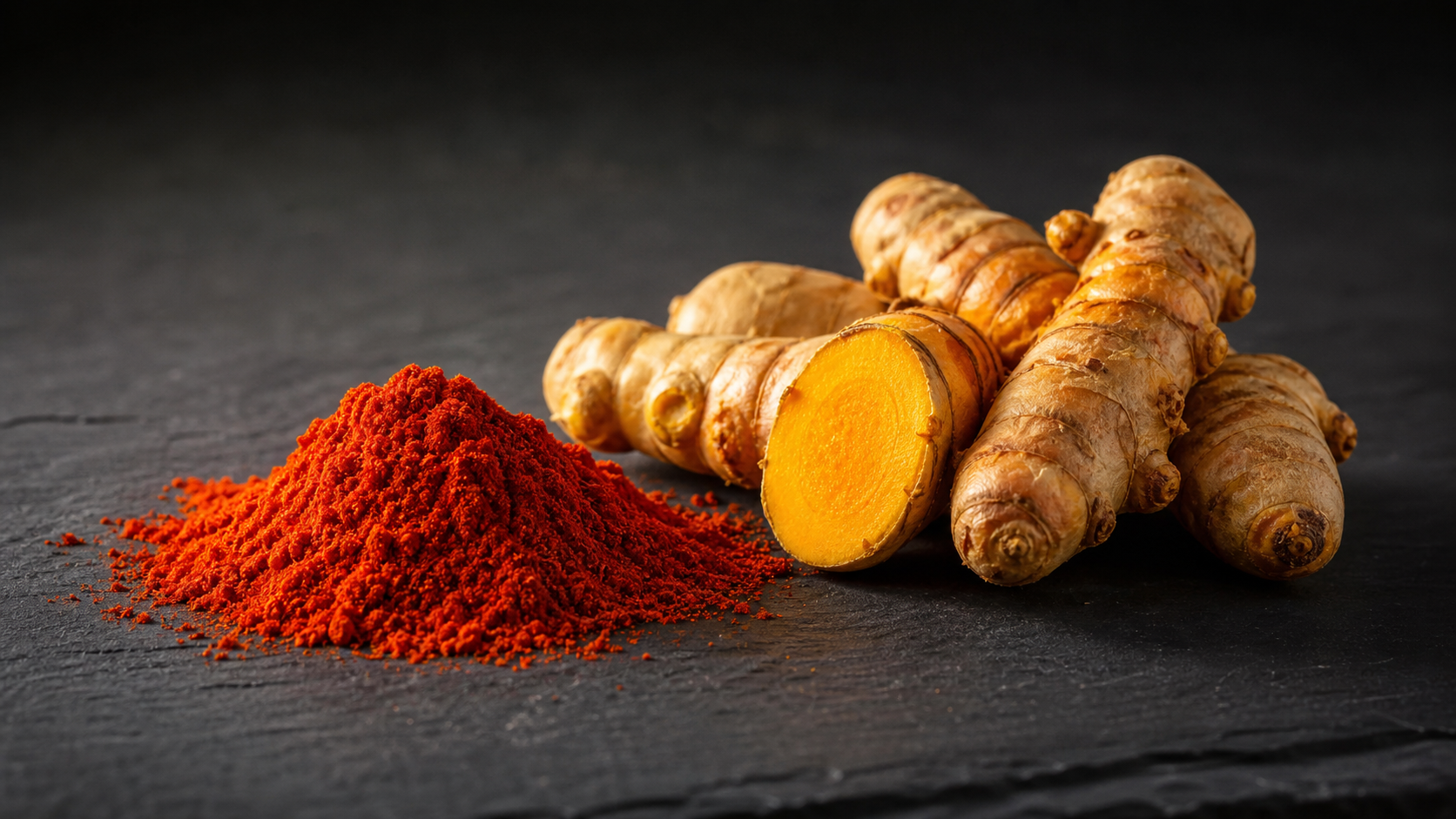
Turmeric is the golden-orange rhizome of Curcuma longa, a plant related to ginger. It has a long history of culinary and traditional use, but its modern supplement reputation centers on a family of plant compounds called curcuminoids. Curcumin is the most prominent of these compounds and the main subject of laboratory and clinical research into turmeric benefits.
Inflammation is not inherently harmful. Short-term inflammation helps the body respond to infection and tissue damage. Problems arise when inflammatory signaling remains persistently elevated or becomes poorly regulated. Chronic inflammation is associated with conditions ranging from osteoarthritis and metabolic disease to cardiovascular disorders, although inflammation is only one part of these complex illnesses.
In laboratory studies, curcumin interacts with several pathways involved in inflammatory signaling. It may influence nuclear factor kappa B, cyclooxygenase enzymes, inflammatory cytokines, and antioxidant defenses. These mechanisms make curcumin biologically interesting, but laboratory findings do not automatically translate into large clinical benefits. Curcumin is rapidly metabolized, and ordinary curcumin is poorly absorbed from the digestive tract.
That absorption problem explains why formulation matters so much. Some turmeric capsules combine curcumin with piperine, a black pepper compound that can increase absorption. Others use phospholipid complexes, micelles, nanoparticles, colloidal dispersions, or curcumin bound to natural turmeric oils. Because these technologies can produce very different blood concentrations, two products containing the same number of milligrams may not have equivalent effects.
Evidence-Based Turmeric Benefits
The strongest practical evidence for turmeric capsules concerns osteoarthritis symptoms. Reviews of clinical trials suggest that certain curcumin preparations can produce small to moderate improvements in knee pain and physical function compared with placebo. In some short studies, symptom relief has appeared comparable to that produced by common nonsteroidal anti-inflammatory drugs. That does not mean curcumin is universally as effective, nor does it establish that supplements prevent joint damage.
Curcumin may be especially appealing to people who want to discuss a complementary option for mild joint discomfort. Its effects are usually gradual rather than immediate, so a structured trial of several weeks is more informative than taking a capsule occasionally. Exercise, strength training, weight management when appropriate, sleep, and clinically indicated medications remain important parts of osteoarthritis care.
Researchers have also examined curcumin supplements for markers such as C-reactive protein and selected inflammatory cytokines. Some meta-analyses report modest reductions, particularly among participants who already have metabolic or inflammatory health problems. Results vary considerably because studies use different products, doses, treatment periods, and participant populations.
Other proposed turmeric benefits include support for antioxidant defenses, digestive comfort, metabolic health, exercise recovery, and mood. These areas are promising but less settled. Small studies cannot establish that turmeric prevents heart disease, treats depression, reverses diabetes, or protects against cancer. Products marketed with sweeping disease-treatment claims go well beyond the current evidence.
It is also useful to distinguish symptom improvement from disease modification. A person may experience less joint discomfort without any change in the underlying structural condition. Anti-inflammatory supplements should therefore be viewed as potential additions to an evidence-based health plan, not as replacements for diagnosis, rehabilitation, or prescribed therapy.

Recommended Doses and How to Take Turmeric Capsules
There is no single official dose for every turmeric product. Clinical studies commonly use approximately 500 to 1,500 milligrams of curcumin or curcuminoids per day, often divided into one or two doses. However, an enhanced-absorption formula may achieve meaningful exposure with a substantially smaller labeled amount. The product’s specific clinical evidence and serving instructions are therefore more useful than comparing milligrams alone.
A cautious approach is to begin near the lower end of the manufacturer’s recommended range and take the supplement with food. Dividing the daily amount may reduce nausea, reflux, cramping, or loose stools. A meal containing some fat may assist the absorption of naturally fat-soluble turmeric compounds, though engineered formulations are designed to improve bioavailability in other ways.
For joint symptoms, an initial trial often lasts four to eight weeks. Before starting, record the severity of pain, stiffness, and functional limitations. Reassess those same outcomes at the end of the trial. If there is no meaningful improvement, continuing indefinitely may add cost and risk without providing benefit.
“Turmeric” and “curcumin” doses are not interchangeable. A capsule containing 1,000 milligrams of ordinary turmeric root powder may provide only a few dozen milligrams of naturally occurring curcuminoids. In contrast, 500 milligrams of an extract standardized to 95% curcuminoids delivers a much more concentrated amount. Standardized extracts are usually the better match for research-driven use, while whole-root products more closely resemble the plant’s traditional composition.
Consumers should not continually increase the dose in pursuit of faster results. More is not necessarily better, especially with highly bioavailable products. Anyone using turmeric for a diagnosed condition should discuss the formulation and dose with a physician or pharmacist who can assess potential interactions.
Best Turmeric Capsule Brands and Formulations
No brand is objectively best for every person. A high-quality choice should disclose its active ingredients, identify any absorption technology, provide realistic dosing instructions, and demonstrate credible quality control. The following established product lines are useful examples to compare, but formulas, certifications, prices, and availability can change. Always verify the current label before purchasing.
Thorne Curcumin Phytosome uses a phospholipid-based curcumin complex commonly known as Meriva. This formulation has been studied for enhanced absorption and joint-related outcomes. It is a practical option for consumers who prefer a widely recognized professional supplement brand and want an alternative to piperine.
Doctor’s Best High Absorption Curcumin traditionally combines a standardized curcuminoid extract with BioPerine black pepper extract. Its strengths include a straightforward ingredient concept and broad availability. Because piperine can affect drug metabolism, this type of formula deserves additional caution among people taking prescription medicines.
Life Extension Curcumin Elite uses a proprietary bioavailability strategy and supplies curcuminoids alongside other turmeric components. It may suit shoppers looking for a concentrated formula with detailed labeling, although the appropriate serving should be judged according to the formulation rather than compared directly with ordinary curcumin powder.
NOW Curcumin products are widely available and come in several formulations, including standardized extracts and enhanced-absorption options. The range can be helpful for budget-conscious consumers, but buyers should check the precise product name because different NOW formulas are not pharmacologically identical.
Garden of Life mykind Organics Extra Strength Turmeric may appeal to shoppers who prioritize organic ingredients and a plant-oriented product profile. It includes supporting ingredients rather than functioning as a pure isolated-curcumin capsule. Consumers should still inspect the curcuminoid amount and avoid assuming that an organic label proves superior clinical effectiveness.
Other reputable brands may be equally appropriate if they meet strong manufacturing and testing standards. Brand recognition alone is not proof of purity, and an expensive bottle is not necessarily more effective. The best curcumin supplements pair transparent labeling with a formulation suitable for the user’s needs, medication profile, budget, and dietary preferences.
How to Choose a High-Quality Curcumin Supplement
Start by reading the Supplement Facts panel rather than the advertising on the front of the bottle. Look for a clearly stated amount of turmeric extract, curcumin, or total curcuminoids per serving. If the extract is standardized, the label should identify the standardization percentage or actual curcuminoid yield. Avoid confusing the total weight of a proprietary blend with the quantity of active curcuminoids.
Next, identify how the product addresses poor absorption. Piperine is inexpensive and effective at increasing exposure, but it is not ideal for everyone because it may alter the absorption or metabolism of medications. Phospholipid complexes and other branded delivery systems often cost more but may have formulation-specific human research and avoid concentrated black pepper extract.
Independent certification is another valuable signal. Marks from organizations such as USP, NSF, or ConsumerLab can indicate that a product has undergone evaluation for identity, potency, or contaminants under the certifier’s program. Certification does not prove that a supplement works, but it can reduce uncertainty about whether the contents match the label.
Good manufacturing practices, lot numbers, expiration dates, allergen disclosures, and accessible customer support also matter. Turmeric products should be tested for microbial contamination and heavy metals, including lead. This is particularly important for brightly colored spices and poorly controlled imported powders, which have sometimes been affected by contamination or adulteration.
Finally, reject exaggerated promises. Responsible manufacturers do not claim that turmeric capsules cure cancer, eliminate arthritis, replace prescribed drugs, or “detox” every organ. Evidence-based marketing should describe support for normal inflammatory responses or joint comfort while acknowledging that results vary.
Safety, Side Effects, and Drug Interactions
Turmeric used as a culinary spice is generally well tolerated. Concentrated supplements create greater exposure and require more care. Common side effects include stomach discomfort, nausea, reflux, diarrhea, headache, and yellow stool. Taking capsules with a meal or reducing the dose may improve minor digestive symptoms, but persistent adverse effects are a reason to stop.
Turmeric and curcumin may affect platelet activity and could increase bleeding risk when combined with anticoagulants, antiplatelet drugs, or frequent use of certain pain relievers. People taking warfarin, apixaban, rivaroxaban, clopidogrel, aspirin, or similar medicines should obtain professional guidance before using concentrated turmeric. Supplements may also need to be discontinued before surgery according to the surgical team’s instructions.
People with gallstones, bile duct obstruction, or significant gallbladder disease should be cautious because turmeric may stimulate bile-related activity. Curcumin can also bind iron, so high-dose or long-term use may be unsuitable for someone with iron deficiency. Individuals with a history of kidney stones may need to consider the oxalate content of certain turmeric preparations.
Piperine-containing products deserve special attention. Piperine can change intestinal absorption and the activity of enzymes involved in drug metabolism, potentially altering medication concentrations. The interaction risk depends on the drug, dose, and individual, and cannot be ruled out simply by separating the capsule and medication by a few hours.
Rare cases of liver injury have been reported in association with turmeric or curcumin supplements, including some enhanced-absorption products. Stop taking the supplement and seek medical care for dark urine, jaundice, severe fatigue, persistent vomiting, or pain in the upper abdomen. People with liver disease should consult a clinician before use.
Safety data are limited during pregnancy and breastfeeding, especially for medicinal doses that greatly exceed food use. Children and people receiving treatment for cancer, autoimmune disorders, or other serious conditions should use curcumin supplements only with guidance from their healthcare team.
Turmeric Capsules Compared with Food, Powders, and Gummies
Cooking with turmeric is an excellent way to add flavor, color, and plant compounds to meals. It also avoids the high exposures associated with concentrated extracts. However, culinary turmeric contains a relatively small proportion of curcuminoids, so food and tea do not replicate the doses used in most supplement trials.
Loose turmeric powder is inexpensive and versatile, but measuring it can be messy and imprecise. The earthy, slightly bitter flavor is not appealing to everyone. Powders also vary in curcuminoid concentration, and their quality depends heavily on sourcing and contaminant testing.
Capsules are convenient, portable, and easier to dose consistently. They can deliver standardized extracts and sophisticated absorption systems without a strong taste. Their disadvantages include cost, possible medication interactions, and the temptation to treat a concentrated supplement as harmless simply because it comes from a plant.
Turmeric gummies may be easier to swallow, but they often contain added sugar, lower active doses, and fewer formulation details. Liquid products can be useful for people who cannot take pills, though they require careful measurement. The best format is one that supplies a transparent, appropriate dose and can be used consistently without unnecessary ingredients.
Related Articles
- Chromium Picolinate: Blood Sugar Support and Weight Management Explained
- Iron Tablets: Essential Guide to Anemia Prevention and Energy Support
- Iodine Supplement Guide: Benefits, Dosage, and Top Products
- Essential Mineral Supplements: Iodine, Iron, and Chromium Explained
Frequently Asked Questions
How long do turmeric capsules take to work?
Turmeric capsules do not usually provide immediate pain relief. In studies of joint discomfort, improvement may emerge over several weeks. A four- to eight-week trial at the labeled dose is reasonable when a clinician considers the supplement appropriate. Track pain and function objectively, and discontinue the product if it produces no worthwhile benefit.
Should turmeric capsules contain black pepper?
Black pepper extract supplies piperine, which can substantially increase curcumin absorption. That can make a formula more efficient, but it may also affect the absorption and metabolism of prescription drugs. Phospholipid-based and other enhanced curcumin preparations offer alternatives for people who prefer to avoid piperine, although every formulation still requires a safety review.
Can turmeric capsules replace anti-inflammatory medication?
No. Curcumin may help some people manage mild joint symptoms, but it should not replace prescribed medication or treatment without a clinician’s involvement. Abruptly stopping an anti-inflammatory, anticoagulant, immune-modifying drug, or other essential medicine can be dangerous. A supplement is best evaluated as one possible component of a broader care plan.
What is the best time of day to take curcumin supplements?
There is no universally superior time. Consistency and tolerance matter more than morning versus evening. Taking curcumin with a meal often reduces digestive discomfort, and larger daily servings may be divided between two meals. Follow the specific product instructions because enhanced-absorption formulations can have different serving recommendations.